
 EN
EN
Wat zijn de veiligheidsgebruiksstandaarden voor World Obstacle-racebanen?
Hoi daar, als je geïnteresseerd bent in obstakelloopwedstrijden of overweegt je eigen cursus op te zetten, heb je jezelf waarschijnlijk al deze vraag gesteld: wat maakt een wereldobstakelracebaan precies veilig om te gebruiken? Het gaat niet alleen om het willekeurig neerzetten van muren en modderkuilen. Er zijn echte normen die je moet naleven om iedereen te beschermen tegen letsel. Laat me je de belangrijkste veiligheidsgebruiksstandaarden uitleggen, gebaseerd op praktijkervaringen uit de werkelijkheid en gezond verstand.
Veiligheidsnormen voor obstakelmateriaal
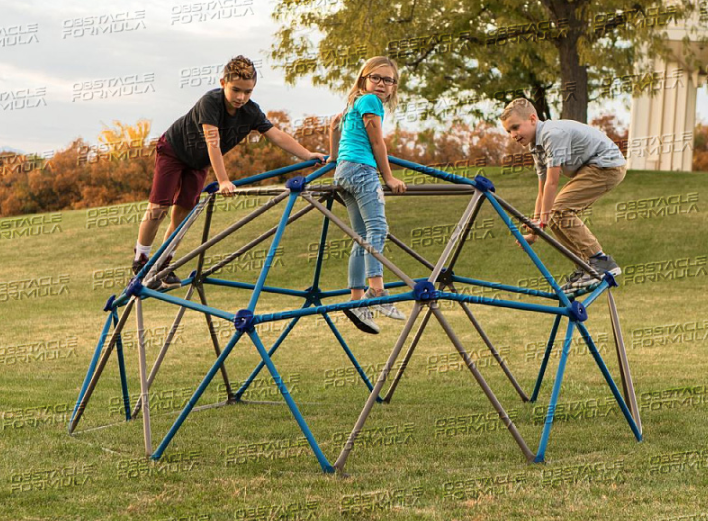
Allereerst zijn de materialen die worden gebruikt om elk obstakel te bouwen van groot belang. U kunt niet zomaar een willekeurig stuk hout of metaal pakken en dat als afgerond beschouwen. Voor een wereldklasse obstacle-racetrack moeten de materialen stevig genoeg zijn om herhaalde impact, weersomstandigheden en talloze zweetige handen te weerstaan. Hout moet worden behandeld om splinters en rotting te voorkomen. Metalen onderdelen moeten roestbestendig zijn en gladde randen hebben. Scherpe hoeken zijn niet toegestaan. Bovendien moeten alle touwen en netten op slijtage worden gecontroleerd. Ik heb races gezien waarbij een touw brak omdat het te oud was. Dat is een ramp in wording. De norm stelt daarom dat elk materiaal vóór elk gebruik moet worden geïnspecteerd en dat alles wat versleten lijkt moet worden vervangen. Denk er aan als speelplaatsapparatuur, maar dan veel intenser.
Juiste afstands- en indelingsregels
Een ander groot punt is de onderlinge afstand. Je kunt obstakels niet te dicht op elkaar plaatsen, omdat deelnemers ruimte nodig hebben om te landen, zich te herstellen en naar de volgende uitdaging te bewegen. Voor een wereldklasse hindernisbaan bepaalt de norm dat er tussen de meeste obstakels minstens drie meter vrije ruimte moet zijn. Maar voor zwaar belaste obstakels zoals de klimnettoegang of de muursprong is nog meer ruimte vereist. Waarom? Omdat mensen vallen. Wanneer iemand vanaf een hoogte valt, wil je niet dat hij op een ander obstakel of op een andere deelnemer terechtkomt. Ook moet de opstelling een logische doorloopvolgorde hebben. Geen plotselinge bochten direct na een grote afdaling: zo ontstaan enkelblessures. Wedstrijdorganisatoren moeten de looproutes duidelijk markeren en ervoor zorgen dat er geen verborgen gaten of wortels zijn. Een goed baanontwerp omvat ook ontsnappingsroutes voor deelnemers die een obstakel niet kunnen voltooien. Zij moeten veilig opzij kunnen stappen zonder anderen te hinderen.
Inspectie- en onderhoudsfrequentie
Je zou misschien denken dat je gewoon het parcours kunt aanleggen en er daarna geen aandacht meer aan hoeft te besteden, maar dat is niet zo. Veiligheidsnormen vereisen regelmatige inspecties. Voor een wereld obstakelparcours , heb je een inspectie vóór de wedstrijd, een inspectie tijdens de wedstrijd en een inspectie na de wedstrijd nodig. De inspectie vóór de wedstrijd is het meest gedetailleerd: elke afzonderlijke bout, touw en houten plank wordt gecontroleerd. De inspectie tijdens de wedstrijd verloopt sneller, maar je hebt nog steeds personeel nodig dat het parcours afloopt om problemen op te merken, zoals modder die te glad wordt of een muur die begint te wankelen. En na de wedstrijd noteer je welke onderdelen hersteld moeten worden. Ik heb met wedstrijddirecteuren gesproken die zeggen dat ze ook willekeurige controles uitvoeren tijdens rustperiodes. Dat is verstandig, want het weer kan dingen van de ene op de andere dag veranderen: regen maakt de grond losser, wind doet constructies trillen en zon droogt hout uit, waardoor scheuren ontstaan. De norm is daarom niet alleen gericht op het uitvoeren van controles, maar op regelmatig controleren én de resultaten vastleggen.
Uitrusting en persoonlijke eisen voor atleten
Hier is iets wat mensen vaak vergeten. Het is niet alleen de parcours die veilig moet zijn. Ook de atleten zelf hebben geschikte uitrusting nodig. Voor elk wereldobstakelgebeuren omvatten de veiligheidsgebruiksstandaarden regels over wat deelnemers mogen dragen en meenemen. Bijvoorbeeld: geen losse sieraden, omdat die kunnen blijven haken aan netten of stangen. Schoenen moeten een goede grip bieden, niet die gladde loopvlakken. Sommige wedstrijden vereisen lange broeken om schrammen te voorkomen, maar dat hangt af van het terrein. Bovendien mogen atleten niet meedoen aan een wedstrijd als ze gewond of ziek zijn. Dat klinkt vanzelfsprekend, maar je zou versteld staan hoeveel mensen toch proberen door te gaan. Het wedstrijdpersoneel dient een snelle visuele controle uit te voeren bij de startlijn. Als iemand onvast op zijn of haar benen staat of een verse pleister draagt, moet deze persoon worden gevraagd zich terug te trekken. En iedereen moet zich goed opwarmen voordat hij of zij het parcours betreedt. Vijf minuten rekken kan veel gescheurde spieren voorkomen.
Noodrespons en medische opzet
Hoe voorzichtig je ook bent, ongelukken gebeuren. Een wereldklasse hindernisbaan moet daarom een degelijk noodplan hebben. Dat betekent dat medisch personeel op strategische punten is gestationeerd, met name in de buurt van de zwaarste hindernissen, zoals de waterplons of de hoge muur. Volgens de norm moet er minstens één paramedicus beschikbaar zijn per tweehonderd deelnemers. Bovendien moeten zij gemakkelijk toegang hebben tot een draagbaar en een EHBO-set. Ook moeten alle vrijwilligers van de wedstrijd basiskennis van eerste hulp hebben, bijvoorbeeld hoe een wond schoon te maken of hoe je een hersenschudding herkent. Communicatie is eveneens van groot belang: het medische team moet over radio’s beschikken om onderling en met het start- en finishgebied te kunnen communiceren. Daarnaast moet er een duidelijk toegankelijk pad zijn voor een ambulance, zodat deze direct tot elk punt van de baan kan doorrijden. Ik heb wedstrijden gezien waarbij de ambulance ver van de baan moest parkeren, wat kostbare minuten verspilde. De norm is dan ook eenvoudig: zorg dat de hulp paraat is en dat deze iedereen binnen drie minuten kan bereiken.
Aanpassingen aan weer- en milieufactoren
U kunt het weer niet beheersen, maar u kunt er wel op inspelen. Veiligheidsgebruiksstandaarden voor wereldwijde hindernisbanen omvatten regels over wanneer de wedstrijd moet worden geannuleerd of aangepast. Bij bliksem stopt u onmiddellijk — zonder vragen. Hevige regen kan sommige hindernissen te gevaarlijk maken, zoals gladde evenwichtsbalken of de touwzwaai. In dat geval kan de wedstrijdleider die hindernissen sluiten en de deelnemers een omleiding laten nemen. Extreme hitte is eveneens een probleem: u hebt dan extra watertenten nodig en misschien zelfs schaduwtenten. Bij koud weer dient u op hypothermie te letten, vooral na waterhindernissen. Volgens de standaard moet u de weersverwachting drie dagen voorafgaand aan de wedstrijd in de gaten houden. En op de dag van de wedstrijd moet u een plan hebben voor elk type slecht weer — vertrouw niet eenvoudig op zonneschijn. Een goede organisator controleert ook de bodomstanden: als de modder te diep of te kleverig is, kan dat leiden tot beenblessures. U past de parcours dus aan of verschuift het evenement indien nodig.
Slotopmerkingen over het waarborgen van ieders veiligheid
Kijk, niemand wil gewond raken tijdens het plezier maken. Deze veiligheidsrichtlijnen voor een wereldwijde obstacle racebaan volgen is niet alleen een kwestie van vakjes aanvinken. Het gaat om respect voor de sport en voor de mensen die er van houden. Van het gebruik van de juiste materialen tot het beschikken over een snelle medische ploeg: elk detail telt. En vergeet niet dat deze richtlijnen niet in steen zijn gegraven. Ze worden aangepast naarmate we meer leren over blessures en nieuwe uitrusting. Blijf daarom altijd op de hoogte en luister naar wat ervaren racers en baanbouwers te zeggen hebben. Als u van plan bent om aan een wedstrijd deel te nemen, controleer dan of de organisator deze regels naleeft. Stel vragen. Kijk goed om u heen. Een veilige baan is een leuke baan. Ga nu maar modderig worden, maar doe het op de slimme manier.