
 EN
EN
Hvað er OCR-óvinnanlegur hlutur og hvernig á að æfa sig?
Svo þú hefur heyrt um keppni í hinderum. Kannski sáðirðu keppni á sjónvarpi eða vinur sagði þér frá því að krypja í gegnum mosa og klífa yfir vegg. En hvað er nákvæmlega ocr ákvörðun ? Lát mig skýra það fyrir þér á einfaldri tungu. OCR stendur fyrir keppni í hinderum. Og OCR-hindrun er einhver einstök áskorun sem þú lendir í á þessari braut. Hugsaðu til dæmis um vegg sem þú verður að klífa, reipi sem þú verður að svífa yfir eða apaldiskálar sem þú verður að fara yfir án þess að falla. Hver af þessum hindrunum er OCR-hindrun. Allt þetta íþróttarviðfang er um að hreyfa sig í gegnum röð slíkra hindera með því að hlaupa milli þeirra. Það er erfitt, það er óhreint og það er mjög gaman. En þú getur ekki bara komið á keppnistímann og vonað um besta útkomuna. Þú verður að æfa þig sérstaklega fyrir þessar hinder. Lát mig því leiða þig í gegnum hvað OCR-hindrun er í raun og veru og hvernig þú getur undirbúið þig til að sigra þær.
Að skilja helstu tegundir OCR ákvarðanir
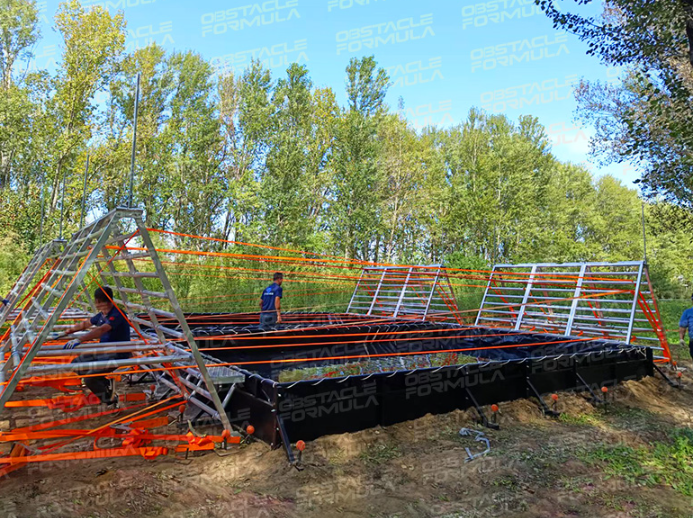
Áður en þú byrjar á þjálfun þarftu að vita hvaða áskorunum stendur frammi. Flest OCR-áskorunir falla í nokkrar flokka. Fyrst eru klifrunaráskaðir, sem innihalda vegg með mismunandi hæð, reiðuklifur og vöruskerjur. Síðan koma hangandi áskorunir eins og hringa, apaldiskála og láréttar stigar, þar sem þú verður að færa hendur yfir hendur. Næst koma berunaráskorunir. Þú gætir verið í því að berja þungt sandpoka, kanna með steinum eða jafnvel tré upp og niður hilla. Annar mikill flokkur er krókunaráskorunir. Krókun undir túngrönd er klassíska dæmið. Þú verður að halda lægum og draga þig gegnum slím eða jarð. Og loks koma jafnvægisáskorunir. Sperrur, bjálkar eða fljótandi stig sem prófa hversu staðfestur þú getur verið. Hver tegund notar mismunandi vöðva og hæfni. Klifrunarveggur krefst efri hluta líkamans og grips. Berun sandpoka krefst leggvöðva og kjarnastöðugleika. Þegar þú þjálfar þá má ekki aðeins hlaupa, heldur verður að æfa alla þessar hreyfingar.
Bygging gripsstyrks fyrir OCR-áskorunir
Ef eitthvað einasta getur ákvarðað hvort þú vinnst eða tapar keppnina, þá er það gripið þitt. Næstum allir hinder í OCR-kappakynningum krefja þess að þú haldið á eitthvað. Taug, stang, veik við, eða slípandi hring. Þegar hendurnar þínar verða tireðar, fellur þú. Og að falla þýðir venjulega sekt eða að þú þurfir að endurtaka hinderið. Hvernig ætlaðu þá að æfa gripið? Þú þarft ekki flottan heilsugym. Hangdu niður frá pull-up stöngu eins lengi og þú getur. Gerðu það á hverjum degi. Síðan reyndu að hanga með aðeins einni hönd. Næst notarðu þykka handklæði sem þú vrappar um stönguna til að gera hana þykkri og erfiðari að halda. Það líkist veikum taugum. Þú ættir líka að gera farmer carries. Taktu þungt dumbbell í hvora höndina og ganga á fjarlægð. Annar mikilvægur ráðlegging er að klifra upp á taug. Ef þú ert ekki með taug, notarðu grein á tré eða leiksvæðisstiga. Munið að æfa bæði crushing grip (þ.e. að samþrýsta eitthvað) og support grip (þ.e. að halda á eitthvað í langan tíma). Gerðu þetta þrisvar sinnum á viku og þú munt sjá mikla breytingu.
Æfing efri hluta líkamans og dragkrafts
Þú getur ekki komist framhjá OCR-ótrúlegu hinder án þess að draga eigin þyngd þinnar. Veggir krefja þín um að draga þig upp. Ape-bar („ape-bars“) krefja þín um að draga og svífa. Þverstöngur (rope climbs) eru fullkomnar dragröð. Því þarftu að byggja upp alvarlega dragstyrk. Byrjaðu á pull-ups. Ef þú getur enn ekki gert fulla pull-up, notu þá áspennubönd eða gerðu neikvæðar endurtekningar (negative reps). Það þýðir að þú hoppar upp í efsta stöðu og lætur þig niður eins hægt og mögulegt er. Gerðu rows með barbell eða jafnvel þungum stöng. Annað gagnlegt æfing er muscle up transition. En það er háskóla-nívó. Fyrir upphafsmenn er best að fókusera á chin-ups og lat pull-downs. Og ekki gleymdu skuldrum. Þær staðlaga allar dragröð. Overhead presses og dumbbell shoulder raises hjálpa mikið. Æfaðu dragröð minnst tvisvar á viku. Og heitirðu alltaf skuldrurnar fyrst. Meðferð á rotator cuff er ekki leikur.
Leggstyrkur og að berja þungar þyngdir
Margir menn telja að OCR sé aðallega um hendur. En fótunum er unnin mest vinnan. Að hlaupa milli hindranna er augljóst. En jafnvel við OCR-hindrun eins og veggskot, þá skjóta fæturnir þig upp. Við hindranir sem þarf að bera, beru fæturnir þungt hleðslu. Því skal þú treysta fæturna vel. Knefþvingar eru besti vinurinn þinn. Gerðu knefþvingar án þyngd, goblet-knefþvingar og að lokum barbell-knefþvingar. Skrefþvingar eru líka mjög góðar því þær endurspegla ójafnan jarðlag. Að stíga upp á háa kassann mun undirbúa þig fyrir að klifra upp á vegg. Og ekki gleymdu hálsliðnum. Dauðlyftingar eða kettluboltaskot byggja bakhluta fætanna. Til að æfa buringu, finndu eitthvað þungt og gangdu með það. Sandpoka, vatnsflösku eða jafnvel bakpokka fullan af bókum. Gangdu með það upp á hæð ef þú getur. Gangdu fimm mínútur án þess að setja það niður. Þetta byggir sérstaka úthaldsgetu sem þú þarft fyrir langa buringa hluta. Gerðu þetta einu sinni á viku og fæturnir munu þakka þér.
Æfing á tækni fyrir erfitt að yfirvinna hindranir
Aðeins styrkur er ekki nóg. Þú þarft einnig góða tæknilega útfærslu. Til dæmis er auðvelt að klífa reipi ef þú veist fótalásinn. Þá umlykurðu reipið um einn fót og stöppar á það með hinum fótinum. Án þess trics byggirðu aðeins á handastyrk og týnir hratt af krafti. Sjáðu myndbönd á netinu til að læra fótalásinn. Svo æfðu það á lágu reipi. Fyrir veggja klifur skal læra fóta sveifluna. Hlaupðu að veggnum, hoppaðu, gríðu í efsta hlutann og sveifldu einum fót upp. Það sparaði mikla orku. Fyrir jafnvægis hinder, haldðu augun á enda bjálkans, ekki á fótunum. Og haldu hendunum út eins og jafnvægismanni. Að krýpja undir taglþráð er allt um að vera flat. Ekki lyftu upp bakhryggjunni. Æfðu þessa hreyfingar í parki eða jafnvel í bakgarðinum þínum. Þú getur byggt litinn æfingavögg með sperruborði. Eða fest reipi við tré. Meira sem þú æfir raunverulegu hreyfingu, því betur verður þú. Ekki bara lyfta þyngdum. Hreyfðu líkaminn þinn þannig og þú munir gera á keppnistímanum.
Að sameina allt í vikulegu áætlun
Nú veistu hvað þú átt að æfa. En hvernig færðu allt þetta inn í eina viku? Láttu mig gefa þér einfaldan áætlun. Mánudagur er fyrir hnefahaldi og dregið. Gerðu dregidrætti, bændakarfanir og stönguhengingar. Þriðjudagur er fyrir hlaup og læraþrep. Hlaup þrjá mílur og gerðu síðan kneiflykkjur og skrefalykkjur. Miðvikudagur er hvíld eða létt hreyfihæfni. Fimmtudagur er fyrir tækniseminingu. Farðu á leikvöll eða notandasetup heima hjá þér. æfðu reipstíg, veggstíg og jafnvægissperra. Föstudagur er fyrir berð og hjartavirkni. Gerðu sandpoka-berð í tuttugu mínútur, svo hlaupðu tvær mílur. Laugardagur er ímyndunarkeppni. Settu upp litla hringrás með nokkrum hindrunum. Hlaupðu einn hring, gerðu hindrun, hlaupðu annan hring. Gerðu þetta í þrjátíu mínútur. Sunnudagur er hvíld. Stilltu eftir stigi þínu. Ef þú ert upphafsmenn, gerðu færri endurtekningar og styttri hlaup. Ef þú ert áframhlaupandi, bættu við meiri þyngd og lengri vegalengd. Lykillinn er samfelldni. Æfðu þriggja til fimm sinnum á viku og þú verður tilbúinn fyrir hvaða OCR-hindrun sem er.
Öryggisráðleggingar við æfingar fyrir OCR-hindranir
Ég verð að segja þetta vegna þess að fólk getur verið sár. Þjálfun fyrir OCR-keppnina er líkamleg. Þú munst falla, þú munst fá skurða og þínir vöðvar munu vera ákaflega óþægilegir. En þú getur forðast alvarlegar sár. Varmdu alltaf upp í að minnsta kosti tíu mínútur áður en þú byrjarð að þjálfast. Hlaupðu létt, gerðu hringhreyfingar með hendurnar, hreyfðu lærin og opnið höftin. Farðu aldrei beint í erfðar dregningar eða berðu. Og hlustaðu á líkama þinn. Ef þú hefur sársauka í öxl, hættu. Ef knéðitt virðist óvenjulegt, hvíldu. Þjálfastu ekki í gegnum skarpan sársauka. Notaðu viðeigandi yfirborð við landun. Ef þú æfst hopp, landaðu á eitthvað mjúkt eins og gras eða mottu. Haldðu fyrsta hjálparsett í nágrenni fyrir litla skurða. Og þjálfastu með vini ef mögulegt er. Hann getur hjálpað þér við reipstíg eða veggstíg. Einu síðustu, haldaðu líkamanum vel vatnaðum. OCR-þjálfun gerir þig að svita mikið. Drekkðu vatn áður en þú byrjar, á meðan og eftir þjálfun. Fylgdu þessum öryggisreglum og þú getur þjálfast harðlega án þess að enda í neysluvernd.
Lokaleiðbeiningar fyrir OCR ferð þína
Svo það er það sem OCR er ocr ákvörðun er og hvernig á að æfa sig fyrir það. Munið, þetta er ekki um að vera hraðastur eða sterkastur á fyrsta degi. Þetta er um að koma, reyna vel og verða smá betri hvert sinn. Byrjið á grunnatriðum. Byggið upp stöðugripinn, styrkið tögunni, æfið tæknina og vertu öruggur. Þið þarfið ekki fullkomna heilsugjá og dýr útbúnað. Leikvöllur, þung bakpoka og ákveðin ákvörðun eru nóg. Skráið ykkur fyrir staðbundna keppni nokkrum mánuðum frá nú. Það gefur ykkur markmið. Og þegar keppnisdagurinn kemur, þá skuluðu bara hafa gaman. Þið munuð falla. Þið munuð verða í slím. Þið munuð hlæja við ykkur sjálfa. En þið munuð líka klára endalínuna. Og trúðu mér, það tilfinning er virði hverja dropa svitans. Núna faraðu og æfaðu þig.