
 EN
EN

Key tips for maintaining an obstacle course to ensure long-term use.
Obstacle course owners know there is a lot of behind the scenes work that goes into the upkeep of each course. As people participate in the course they are climbing, swinging, and leaving the rig in a worse state than it was intended. Most of the time the damage goes unnoticed, but damage is occurring and, big or small, it affects the course. It is not uncommon for courses to look great for the first couple of seasons, but after that time, they almost always look rough, and most importantly, become unsafe.
With that being said, it is very important for owners to stay on top of small maintenance. In the long run, regular maintenance will save course owners money and as a plus, will help owners keep the course intact for everyone to have fun for a long time. Here are some tips that could help owners come up with a maintenance schedule that best suits each course.
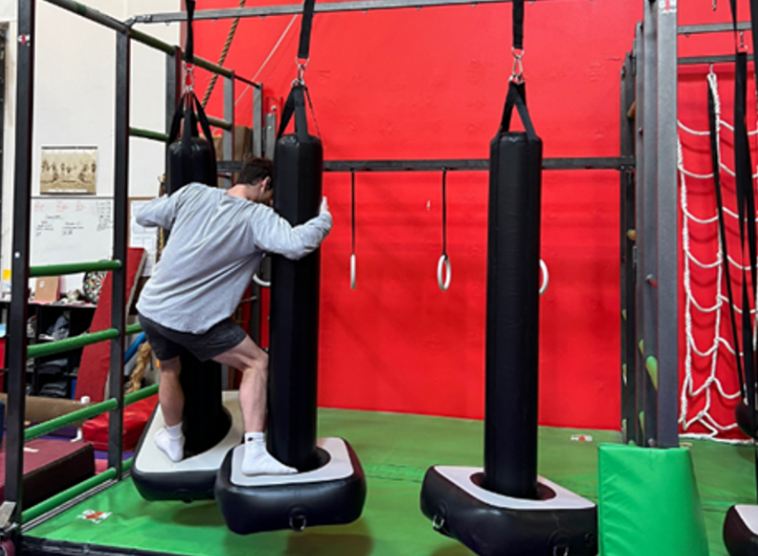
Keep inspection as a repetitive task
The best way to keep an obstacle course in top shape is to have a set schedule for inspections. For an obstacle course, it is always best to stay ahead of the curve. Aim to have a walkthrough inspection before each event or, if the course is open, do inspections at least weekly. It will not be very time consuming and will help keep the course in its best shape.
During your inspections, examine every bolt, every weld, every grip. Look for rust, cracks, or any structure that feels loose. Give obstacles a solid shake. If something wobbles, that could mean really bad news. Obstacle ground support should also be examined. If your jump pits have loose foam or your landings have loose sand/compacted areas, be sure to move or refill them. One mini inspection can save you several hours of repair work.
Keep things clean.
Cleaning is probably the most overlooked part of every maintenance regime. Nobody likes a dirty obstacle, but the mud, dust, guts, and grime isn’t just visually unpleasant. Obstacle maintenance grime contains sweat which can, hide cracks and wear spots. Additionally, grime can make parts wear down more quickly. Cleaning is a simple solution that can save a large amount of work.
Following a large event, it is worthwhile to disinfect surfaces. Use a pressure washer, but set it to a low / moderate level to avoid damage to the paint. Watch for moving components, and for surfaces that require gripping. If you have any wooden obstacles, ensure they are not going to be in a position to absorb moisture for extended periods. An obstacle course that is clean is not only more aesthetically pleasing, but it is also easier to inspect your maintenance, as you can see any problems.
Watch the forecast
In some locations, weather is your number one concern. Over long periods of time, the sun, rain, snow, and humidity will all be a concern.
Some materials are UV ray resistant while others are not. Color fading and weakening of components occurs with exposure to UV rays. There is a constant risk of moisture damage if components are made of wood. Depending on climate, protective measures should be taken for the components. If obstacles are to remain outside for the season, protective coatings or rust inhibitors should be applied to metal obstacles. Moisture sealants should be applied to wood components. For climates with significant winter damage, moisture sensitive components may be removed and stored for the winter season.
Focus on high wear areas
Different parts of an obstacle have different levels of expected wear. Where people grab, step, and land on the obstacles is the most abused. Ropes, grips, and pads are components of the obstacle that show wear first.
Be vigilant in these areas of high traffic. Check ropes for wear. Check grips to ensure they are still secured and not worn smooth. Make sure landing pads still have enough cushion to do their job. Once you see signs of wear, replace it before fail. Having spare parts on hand is especially important for work to not be stopped. This is critical if you have scheduled events. It allows you to make quick swaps and keep your course running.
Build a relationship with a supportive supplier
When it comes to replacement parts for your obstacles, you want to do it once and not have to deal with the hassle again. Not all parts are created equally. Some suppliers are using proprietary parts, so once it goes, you are stuck with limited options and no support. Instead, hunt for a supplier with supportive parts.
It matters who you buy from. A good supplier cares about the lifespan of their equipment and will be able to provide replacement parts for as long as you own the equipment. They will also design their pieces to be easily repairable. If a grip wears out, you shouldn’t need any special tools to do the swap. If a beam is damaged, you should be able to order a perfect fit replacement beam from the supplier. That kind of support is what is going to make your maintenance easier. You are going to spend a lot less time trying to come up with workarounds. You can just get the piece and move on.
Keep a maintenance log
To prevent equipment maintenance from piling up, it will be helpful to maintain a log. You may think this is an extra step and may even be a nuisance to do, but as time passes, you will be able to recoup the time spent on this log. You should keep a log of the work you do on pieces and the time spent. This should include parts replacement, inspections, repairs, and cleans.
When you look back and see the log, it will make it easier to see the pattern of the time invested and it will be even easier to do the work to add to the log. When reviewing records, patterns may come up. Certain challenges may need more attention. This shows how efforts can be focused. Records also give estimates on how much will need to be spent on future repairs and replacements. Knowing how long parts last helps with planning rather than having to react. When issues arise, records can be helpful to explain to the supplier in case parts need to be replaced.
Putting It All Together
When it comes to organizing events, maintaining the obstacle course is critical to how the event will be perceived. It is not the most glamourous but is extremely important. It is reliable, looks professional, and most importantly, provides the participants with the experience they were promised. Safety of course participants is also a top priority.
In order to mitigate the need to react to issues, develop a good system of regular maintenance, feedback on good cleaning and repairs, notice and respond to weather damage, target high wear parts for replacement, and have a good supplier to ensure parts can be replaced. Participants appreciate good maintenance and it is the best way to keep participants returning.