
 EN
EN
Mga pangunahing bahagi para sa pagbuo ng ligtas na outdoor obstacle course.
Kapag nagsisimula kang magtayo ng outdoor kursa ng Hambog , ang kaguluhan ay karaniwang nagmumula sa pag-iisip ng mga hamon. Nakikita mo ang mga atleta na sumusubok na umakyat sa mga pader, lumulutang sa mga bar, at pinipilit ang kanilang mga katawan hanggang sa kahit anong limitasyon. Ngunit bago pa man mangyari ang anuman sa mga ito nang ligtas, kailangan muna mong ma-master ang mga pundamental. Ang kaligtasan ay hindi lamang isang item sa listahan ng dapat suriin. Ito ang pundasyon na ginagawa ang lahat ng iba pang bagay na posible. Ang isang kurso na hindi isinasaalang-alang ang kaligtasan ay isang kurso na nabigo sa kanyang mga gumagamit. Kung ikaw man ay nagdidisenyo para sa mga elite na kompetidor o para sa mga weekend warrior, ang pag-unawa sa mga elemento ng isang ligtas na setup ay nagbabago sa paraan kung paano mo hinaharap ang bawat desisyon.
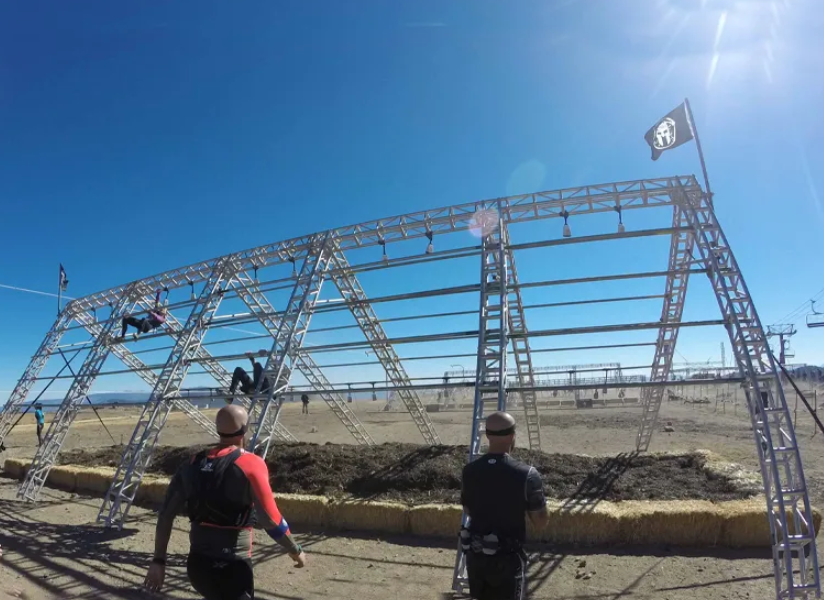
Ang Lupa sa Ilalim Nito Lahat
Madalas ay nakatuon ang mga tao sa mismong mga balakid at nakakalimutan ang lupa kung saan sila nakatayo. Iyon ay isang kamalian. Ang anyo ng lupain ang nagtatakda ng eksena para sa lahat ng bagay. Hindi mo maaaring ilagay ang kagamitan sa anumang bahagi ng damo at ituring na tapos na. Kailangan mong tingnan ang likas na tanawin nang may kritikal na pananaw. Relatibong patag ba ang lugar o may mga nakatagong butas at ugubin? Ang mga ugat at bato ay maaaring hindi mukhang malaking problema habang naglalakad-lakad ka, ngunit kapag tumatakbo ang isang tao nang buong bilis, ang mga maliit na depekto na iyon ay naging malalang panganib. Gusto mong magtrabaho kasama ang lupa—alinin ang kailangang alisin at paunlarin ang kailangang paunlarin.
Ang tubig ay isa pang kadahilanan na kadalasang binabale-wala ng mga tao. Ang paggamit sa labas ay nangangahulugan ng pagkakalantad sa mga elemento. Darating ang ulan, at kapag ito'y dumating, kailangan mong alam kung saan pupunta ito. Ang mahinang sistemang panlinis ay nagpapalit ng isang ligtas na landas sa isang madulas na kaguluhan. Ang mga pugot ng putik ay nabubuo sa mga lugar kung saan naglalands ang mga manlalaro, na ginagawang mas mahirap pa ang kontrolin ang matitigas na paglalands. Ang mga daanan ay naging madulas at hindi ma-predict. Sa pamamagitan ng pagpaplano para sa daloy ng tubig mula sa simula, panatilihin mo ang landas na magagamit at bawasan ang panganib ng pagkakabagsak dahil sa mga ibabaw na biglang naging mapanganib sa loob ng isang gabi.
Pagpili ng Kagamitan na Nakakakuha ng Tiwala
Ang mga hadlang mismo ang kumukuha ng buong bigat ng bawat atleta na gumagamit dito. Ang bigat na ito ay hindi lamang pisikal. Ito ay ang tiwala na ang kagamitan ay mananatiling matibay, na hindi ito mababasag o maaaring umalis sa tamang panahon. Hindi mo mabubuo ang tiwalang ito gamit ang murang materyales o di-maayos na paggawa. Kailangan mo ng kagamitan na nasubok na, hindi lamang sa isang pabrika, kundi sa tunay na mundo kung saan ang mga tao ay paulit-ulit na tumatalon at sumusugod dito.
Isang kumpanya na may taon-taong karanasan sa pagbibigay ng mga hadlang sa malalaking kaganapan ay naiintindihan ang katotohanang ito. Nakita nila kung ano ang nabigo at kung ano ang tumatagal. Ang kahoy na kanilang ginagamit ay tumututol sa pagkabulok. Ang metal ay tumitibay sa pagkakarum. Bawat sambungan at koneksyon ay itinatayo upang makatiis ng impact, hindi lamang ng panloob na bigat. Kapag pumipili ka ng kagamitan mula sa isang pinagkukunan tulad nito, hindi ka lamang bumibili ng mga bagay. Bumibili ka ng kapayapaan ng isip na nagmumula sa kaalaman na may iba nang ginawa ang mahirap na gawain ng pagpapatunay kung ano ang tumatagal.
Ang Lohika ng Disenyo
Kung paano mo inaayos ang iyong mga hadlang ay isang usapan tungkol sa kaligtasan sa sariling karapatan. Madali lang maging eksitado at i-pack ang mga ito nang husto, na lumilikha ng makapal na hanay ng mga hamon. Ngunit ang densidad na ito ay lumilikha ng mga problema. Kapag ang mga hadlang ay sobrang malapit, ang mga tao ay nagkakapile-pile. Isang atleta na nahihirapan sa isang pag-akyat ay nakakablock sa susunod na taong papasok nang mabilis. Ito ay isang resepeng nagdudulot ng mga collision at pagkabigo.
Kailangan mo ng espasyo para huminga. Ang espasyo sa pagitan ng mga elemento ay nagbibigay ng oras sa mga atleta para makabawi at nagbibigay sa iyo ng sapat na lugar para pamahalaan ang daloy ng mga tao. Naglilikha rin ito ng mga ligtas na lugar kung saan maaaring mag-step aside ang isang taong nabigo sa isang hadlang nang hindi na kailangang sumali muli sa agos ng mga tao. Isipin din ang mga anggulo. Huwag mong gustuhin na may isang taong lumulutang mula sa isang bar at mahulog sa isang daanan kung saan dumadaan ang ibang tagapag-takbo. Ang mabuting layout ay umaayon sa galaw ng katawang pantao at nagbibigay ng sapat na espasyo para sa ligtas na paggalaw nito.
Kung Saan Pinakamahalaga ang Pagbaba
Ang mga lugar kung saan bumababa ang mga tao mula sa mataas na posisyon ay nangangailangan ng espesyal na atensyon. Ang matigas na lupa ay ang kaaway dito. Maaari itong isang pagbagsak mula sa pader o isang pagtalon mula sa isang platform—ang lugar kung saan natatapos ang pagbaba ay kailangang makapag-absorb ng impact. Ibig sabihin, kailangang gamitin ang mga materyales na nakakapress at nakakapad. Ang makapal na goma na mga mat ay epektibo sa ilang lugar. Ang malalim na kahoy na chips o buhangin naman ay epektibo sa iba pang lugar. Ang taas ng hadlang ang magpapakita kung ano ang kailangan mo. Ang isang mababang vault ay maaaring kailanganin lamang ng simpleng malambot na ibabaw. Samantala, ang isang bagay na kinakalampag at kung saan ka bumababa ay nangangailangan ng isang higit na paborable at maunlad na ibabaw.
At hindi mo lang pwedeng i-install ang mga ibabaw na ito at kalimutan na sila. Ang mga piraso ng kahoy ay nababaho at nangungupas sa paglipas ng panahon. Ang mulch ay nakakalat. Ang ulan ay nagpapalayo sa mga materyales. Bahagi ng pagpapanatili ng kaligtasan ng isang kurso ang regular na pagsusuri sa mga lugar na ito at ang pagpapalit o pagpapalakas nila kapag naging manipis na sila. Ang isang lugar para sa paglalanding na nagsimula nang malambot ay maaaring maging matigas at mapanganib kung hayaan mo itong lumala.
Pagdidisenyo para sa Tunay na Tao
Ang isang ligtas na kurso ay kilala ang kanyang audience. Iba ang mga pangangailangan ng isang elite racer sa mga pangangailangan ng isang bata sa isang komunidad na kaganapan. Kung ikaw ay gumagawa para sa pangkalahatang publiko, kailangan mong asahan ang malawak na hanay ng kakayahan. Ibig sabihin, dapat ang disenyo ay may pag-unawa at pagtanggap sa mga pagkakamali. Ang mga hadlang ay dapat hamon ngunit hindi parusa. Maaari kang magdagdag ng mga opsyon sa iba't ibang taas o antas ng kahirapan upang ang mga tao ay makapili ng angkop sa kanilang antas ng kasanayan.
Kapag kasali ang mga bata sa larawan, lahat ay nagbabago. Ang mga bata ay hindi lamang mas maliit na mga adulto. Patuloy pa ang pag-unlad ng kanilang mga katawan. Iba ang kanilang kapasidad sa pagkakahawak. Mas maikli ang kanilang abot. Ang kagamitan na idinisenyo nang partikular para sa kanila ay isinasaalang-alang ang lahat ng ito. Binabawasan nito ang hamon upang maging kaya nilang pangasiwaan nang ligtas habang nananatiling nakakatuwa. Ang ganitong uri ng mapag-isip na disenyo ang naghihiwalay sa isang mabuting kurso mula sa isang mahusay na kurso.
Ang Disiplina ng Pananatili
Walang kurso ang mananatiling ligtas nang mag-isa. Ang panahon at paggamit ay patuloy na nagdudulot ng pinsala. Ang araw ay nagpapatuyo at nagpapabuho. Ang ulan ay nagpapakalawang at nagpapabulok. Ang mga tao ay bumabagsak nang malakas at nagpapalose ng mga bolt. Ang mga lubid ay nagkakaroon ng mga putol. Ang kahoy ay nagsisplinter. Kailangan mong handang maglakad nang regular sa buong kurso gamit ang isang mapanuri na paningin. Hanapin ang mga bagay na nagbago mula sa huling pagsusuri. Pakinisin ang mga bagay na lumuwag. Palitan ang mga bagay na nasira o nagsuot.
Ito ang kung saan kapaki-pakinabang ang magkaroon ng mabuting ugnayan sa iyong tagapag-suplay. Kapag nakakakuha ka ng mga kapalit na bahagi na eksaktong tumutugma, mabilis mong nalulutas ang mga problema. Hindi mo kailangang gumawa ng pansamantalang solusyon na baka hindi matibay. Panatilihin mo ang integridad ng orihinal na disenyo. Ang isang kalsada na palagiang binabantayan ay mananatiling ligtas sa loob ng maraming taon. Ang isang kalsada na pinabayaan ay magiging sanhi ng aksidente na handa nang mangyari.
Ang Karanasan Bilang Iyong Gabay
Walang kapalit para sa kaalaman kung ano ang gumagana. Ang isang tagapag-suplay na may taon-taon nang karanasan sa industriya, na nakipagtulungan sa malalaking kaganapan at organisasyon, ay may dalang kaalaman na hindi mo makukuha sa isang katalogo. Nakita nila ang mga pagkakamaling ginawa ng iba. Natutunan nila kung ano ang tumitiyaga sa ilalim ng presyon. Kapag pumipili ka ng kagamitan mula sa isang pinagmumulan na may ganitong uri ng background, nakikinabang ka sa lahat ng kanilang natutunan. Makakakuha ka ng mga disenyo na pinabuti dahil sa tunay na paggamit, hindi lamang sa teorya.
Ang karanasang iyon ay lumalabas din sa mga detalye. Ang paraan kung paano pinagsasama ang isang sambungan. Ang uri ng kahoy na pinili para sa isang tiyak na elemento. Ang coating sa isang metal na bar. Ang mga ito ay hindi mga aksidente. Ito ay mga desisyon na ginagawa ng mga taong naiintindihan ang mga pangangailangan ng kaligtasan. Ang pagbibigay-pansin sa mga detalyeng ito ang nagpapalit sa isang kumpol ng mga hadlang sa isang kurso na maaari mong tiwalaan.
Paghahanda sa Hindi Inaasahan
Kahit ang pinakamainam na idisenyo na kurso ay maaaring magkaroon ng aksidente. Ang mga tao ay mali ang pagtataya sa kanilang kakayahan. Nagkakaroon sila ng maling hakbang. Pinipilit nila ang sarili nang sobra kapag nakaubos na ang kanilang enerhiya. Bahagi ng ligtas na paggawa ay ang paghahanda para sa mga ganitong sandali. Magkaroon ng mga prosedurang pang-emerhensiya. Siguraduhing maabot ng tulong medikal ang anumang bahagi ng kurso kung kinakailangan. Ilagay ang malinaw na mga patakaran at siguraduhing alam ng lahat ng gumagamit ng kurso ang mga ito. Minsan, ang pinakasimpleng hakbang sa kaligtasan ay ang simpleng pagpapaliwanag sa mga tao kung ano ang kanilang haharapin at kung paano gamitin ang kagamitan nang tama.
Pagsasaalang-alang ng Lahat
Pagbuo ng Ligtas na Outdoor kursa ng Hambog hindi ito tungkol sa pagsunod sa isang pormula. Ito ay tungkol sa paggalang sa mga taong gagamitin ito at sa kapaligiran kung saan ito nakalagay. Nagsisimula ito sa lupa at umaakyat sa bawat piraso ng kagamitan, bawat pagpili sa disenyo, at bawat pagsusuri sa pagpapanatili. Kailangan nito ang pag-iisip tungkol sa tunay na mga tao na may tunay na limitasyon at ang pagdidisenyo ng mga espasyo na hamon sa kanila nang hindi sila pinapabigo. Kapag tama ang ginawa mo, ang kaligtasan ay mawawala sa likuran. Ang mga atleta ay titigil sa pag-aalala kung ang kagamitan ay magkakaroon ng sapat na suporta at magsisimulang magtuon sa kasiyahan ng karera. Iyan ang tanda ng isang maayos na nabuo na ruta.