
 EN
EN
Алга тааруулж, гэтэл биеийн хувьд хүнд даалгавар бүхий алга тааруулжын төлөвлөлтийн арга замыг хэрхэн зохиомжлон бүтээх вэ?
Хийгдэж буй алга хэлэлцүүлэг дизайныг хийх нь шеф-поварын ажилтаян адил. Та зөвхөн зөв орцүүдийг холимуйн төлөөлөл хийж буй. Нэг орцүүдийн хэт их хэмжээ нь бүх блюдыг гомдосгож буй. Хэрэв түүн дээр та хялбар бүтээд, хүмүүс сүүдлэн унадаг. Хэрэв түүн дээр та хүнд бүтээд, хүмүүс цочирхойдож, тавьж буй. Дизайнд зөвхөн тэр үлдэшгүй тэнцвэр бүтээд, хүн сааралдаж, зүрх нь хүчтэй цохилдож, ярих ёстой түүхтэй тааралдаж буй. Бид үүн дээр нь 8 жил илүү хугацаа үлдээж, дэлхийн дуурин хүртэл зуунтаа өөр өөр сааралдаж буй зүйлсийг хүргэж буй, мөн дизайныг үнэнхүү хамгийн сайн хийх нь юунаас хамаарахыг хүртэл сурахуйн.
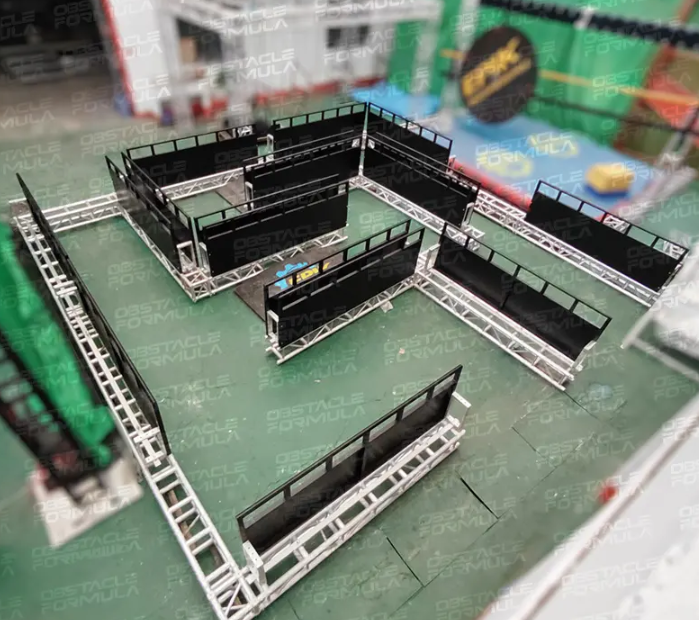
Энэ нь зүгт хатуу харагдах юм үйлдвэрлэх тухайд бүүхүүн. Энэ нь туршлага үүсгэх тухайд бүүхүүн. Та оролцогчдын хөдөлмөрлөх шугамд ирж, дотроо жижигхэн сүүдэрт бүүхүүн. Түүнд "Тааламжит, би үүнийг хийж чадмуй" гэж бодогдож, мөн "Уу, үүнэд амархан биш!" гэж бодогдож. Үүнэд л сорчилт үүсдэг. Харин үүнийг бүүхүүн ойлгохын тулд бидний хайрласан жишээ: Нэг хөлд унагчийн лабиринт тэнцвэрлүүлэх сорчилтыг авч үзье. Үүнэд танил ойлголтыг физик шаардлагын бүүхүүн шинэ түвшинд холбож үзүүлэх төгс жишээ бүүхүүн.
Танил-нэтрүүлэх зарчим
Хамгийн том нууц нь алга хэлэлцүүлэг хүмүүсийн ойлгож буй юмнаас ашиглаж, түүнийг хувиргах явдал бүүхүн. Бүхний лабиринт гэж юу болохыг мэдмуй. Түүний хялбар хувилбар, бидний загварын хувьд, ухааны тоглоом үүсдэг. Та замыг төлөвлөх ёстой, хэдхэн эргэлт л бүүхүн. Гэтэл хүмүүсийн нэг хөлд унагч дээр суулгах мөчид тоглоом бүүхүүн өөрчлөгдмуй.
Нэг хүрдтүүр дээр зөвхөн босоо байхын тулд шаардагдах ухааны төвлөрөл үнэхээр их. Одоо түүнийг замын дагуу хөдөлж, чиглэл өөрчлөх шаардлагатай холбож үз. Түүнд л амьсгалын сүүд, физик хүнд бүтэн нийлж, үнэнхүү сонирхолтой болой. Оролцогч зөвхөн зүүн эсвэл баруун талаар хөдөлж гэж бодож буйгүй. Түүний тархи бүх цилиндрүүд дээр ажиллаж, тэнцвэрт байх сигналуудыг боловсруулж, хүзүүнүүдийн байршлыг зөвшөөрж, пэдэлийн даралтыг удирдаж, бүх үүнийг зэрэг хөдөлж буй үед. Энэ ухааны ачаалал өөрөө нэг төрлийн түүрхүүр юм. Түүн дээр та автопилот режимд ажиллах боломжгүй тул саад илүү гүнзгий сонирхолтой болой. Та бүхлээр нь одоохонд бүтэн орж, бүтэн бүхлээр нь үүрд бүтэн орж, яг түүнийг хүмүүс саадын хувьд хүсж буй.
Техник ашиглан сонирхолтой бүтээх
Олон хүмүүс саадын туршилтанд сонирхолтой бүтээх нь адреналинаас шалтгаалдаг гэж бодож буй. Түүн дээр тааламжит. Гэтэл үнэнхүү үргэлжлүүр сонирхолтой бүтээх нь дархан мөрөн дээр сууж, техникийг олж, хүртэлх үеийн үр дүнд шалтгаалдаг. Нэг хүрдтүүрт лабиринт харах үед сонирхолтой бүтээх нь суралцах муруйд бүтэн нийлж.
Энэ нь энгийн тохируулгатай эхэлдэг: суух байрны өндөрг тохируулж байна. Бид хүмүүст хөл нь бага зэрэг булангидсан байхын тулд дасан зохицуулахыг хэлдэг. Энэ нь даруй л сорилтыг илүү хүртээмжтэй болгодог зөвлөгөө юм. Энэ нь хүмүүсийг бүтэлгүйтгэхээс биш, амжилтад хүрэх хэрэгслийг өгөх явдал юм. Дараа нь эхний том арга: эхлэхээс өмнө нэг гаргаа галт тэрэг дээр байлгах. Энэ энгийн арга нь унах айдасыг бууруулдаг. Хүмүүс багадаа айж, туршиж үзэхэд илүү бэлэн байдаг.
Тэд мотоциклийнхээ талын талыг хянах нь зүйтэй гэж боддог. Өндөрөө нэгтгэж, эгчийг нь эргэлтэд оруулдаг нь цэвэр алт. Энэ нь сэтгэл дундуурхсан унасан явдлыг хяналттай хөдөлгөөнд хувиргадаг. Энэ асуудлыг шийдсэн хүн гэрэл гулгаж байгааг харах болно. Энэ л хөгжилтэй. "Би үүнийг хийж байна!" гэсэн сэтгэл нь зөвхөн бие махбодийн хувьд л хэцүү биш, саад бэрхшээлтэй тэмцлийг дурсагдашгүй болгодог.
Бие махбодийн хэрэгцээг нэмэгдүүлэх
Одоо, бид «биеийн хүнд ажил»-д товчхон хүрэх гэж байна. Түүнд нь зөвхөн нэг зүйл бүтээх л хангалтгүй. Түүнд олон давхарга бүтээх шаардлагатай. Нэг саадын дуурьд та олон булчин бүлгүүд болон уралдааны чадварын хүрээд орж байна. Нөмрөгт суухын тулд та цөмийн тогтвортой байхыг шаардаж байна. Түүнд тогтмол, бага түвшний идэвхжүүлэлт шаардлагатай. Дараа нь та пэдальдаж байх үед шүдлүүдийн хүч шаардлагатай — бүлүүрт хөдөлгөөн нь хялбар хөдөлгөөн биш, харин бүтнэд дугуйн хөдөлгөөн, яг төлөөлөх хяналт шаардлагатай.
Гэвч гайхамшгийн шалтгаан нь дэлгүүрт бүтээсэн хоёр бугуйлд оршит. Түүнд биеийн хүнд ажил хүчтэрнэ. Бид тодорхой техник үзүүлмүү: та урд налуу руу орхин өнцгийн хавтгай дээр кранк хөдөлгүүрүүдийг тавих ёстой. Түүнд та хамгийн их хүч хүртэл хүртүүлмүү. Хэрэв та пэдальд бүтээсэн бүтэц нь алдаатай байвал та амжилтгүй болмүү. Та зогсож, хойш хөдөлж, зөвшилцөлд ормүү. Түүнд та биеийн хүнд ажилд тайван байх чадвар болон стратеги сурмүү.
Дараа нь, дээр талд бид хүмүүсдэд шуурхай хөдөлмүүр хийхгүйн тулд заавар өгдүг. Бариуныг барьж, спускын хурдыг хяна. Энэ тогтмол заавар — идэвхтжүүлэх, барьж держать, тогтвортой байх — хялбар налуу газрыг бүх биеийн оролцоотой агшинд хувиргадүг. Энэ нь ухаалаг дизайн-ын жишээ, яагаад гэвэл жижиг онцлог бүх биеийн том нөлөө үзүүлдүг, үүнд өндөр юм уу хурд шаардагүй.
Түүнийг хүртэмүүр хийх, гэтэл түүнийг хялбаршуулахгүйн тулд
Саадын дизайн-д нийтлэг алдаа байдүг. Хүмүүс физик саадын хүнд байхын тулд зөвхөн элит спортистын хүртэмүүр байх ёстой гэж боддүг. Гэтэл үүн дунд үнэн байдүг. Хамгийн сайн саад нь оролцогчдын ухаан дотор масштабируем байдүг. Бид нүүрбүүрт саадын хувьд мэднүүр сонгож, түүнийг хийдүг. Үүн нь өндөр үзүүлэлттүүн професиональ нүүрбүүр биш. Түүн нь анхичдүүдийн хүртэмүүр зүүн хийдүг.
Энэ нь чухал. Үүнээр оролцогчдод «Энэ бол боломжтой» гэж хэлж буйн адил. Психологийн саадыг бууруулж буйн адил. Физик шаардлага хүртэл үлдмүү. Таны хөлүүд үлдмүү. Таны дундас үлдмүү. Гэтэл төхөөрөмж нь хатуу шаардлагагүй, түүнээр умайг саад багасаж буйн адил. Хүмүүс оролдож буйн адил. Түүнийг оролдож буйн адил — үүнээр сайн туршлага цуглуулахын анхны алхам.
Энэ философи бидний бүх үйл ажиллагаанд тусгагдмүү. Бид Спартан уралдаанын төхөөрөмжийг юм уу, орон нутгийн жимнастик залуусын төхөөрөмжийг төхөөрөмжлөхдөө, түүнийг хэрэглэх хүмүүсийн тухайд бодмүү. Бидний ашигладаг одон үнэлэх систем — түүнд «Техник» хүртэл 5, «Түүхүүр» хүртэл 4 үнэлэлт өгсөн — та нарын яг юуны тулд бэлдмүү гэдгийг тодорхой харуулмүү. Организаторуудад ба спортистын төлөөлөгчдөд түүнээр түүн дээрх даалгавар уралдаанын техник хүртэл суурьшмүү гэдгийг хэлмүү. Энэ нь хүчирхүүл хүчний тухайд биш, харин түүхүүр ба түүхүүрт хүчний тухайд биш. Түүн дээрх ялгаа нь төвөгтэй, төлөөлөгчдөд тааруулж буйн адил.
Төхөөрөмж ба аюулгүй байдлын үүрэг
Хэрэв тоног төхөөрөмж нь эвгүй, аюулгүй биш мэт санагддаг бол хөгжилтэй, хүнд хэцүү тоглолт хийж чадахгүй. Энэ бол зүгээр л үнэн. Тоглолтын оролцогч гарын хашааг барьж авахдаа, энэ нь бат бөх байх ёстой. Тэд аллюмины элсэлтийн цогцолборыг цохих үедээ цохиж болох мэт санагдах хэрэгтэй. Бид олон жилийн турш томоохон нийлүүлэгч болж ирсэн чанартай холбоотой үүргээ энэ ойлголтоос эхлээд хэрэгжүүлж байна. Хөгжилт бэрхшээл өөрөө л сонин хамтрагч болж байна. Хэрэв тэр нь ухралдаг бол тамирчин өөртөө итгэх итгэлийг алддаг. Хэрэв энэ нь чулуутай цогц юм бол тэд илүү хүчтэй түрүүлнэ.
"Байракны гүүр" дээр суудаг гарын хаалганых нь зөвхөн үзэсгэлэнгийн зорилго биш. Тэд техник дээр нэг хэсэг юм. Бид хүмүүст их нягт байлгахыг хэлдэг. Ялангуяа дээш, доош унахад. Энэ бол зөвхөн аюулгүй байдлын зөвлөгөө биш, харин гүйцэтгэлийн зөвлөгөө. Төмөр замыг ашиглах нь оролцогч нь биеийн доод хэсгийг тусгаарлах боломжийг олгодог бөгөөд биеийн дээд хэсгийг тогтвортой тодотголтой гэдгийг мэддэг. Сайн загвар нь аюулгүй байдлын онцлог шинж чанаруудыг маш гүнзгий бүрдүүлж, спортын стратегийн нэг хэсэг болдог. Ингэж л хэрэглэгчдийнхээ итгэлийг бий болгоно.
Хүн бүрд зориулсан түүхээ бүтээх
Эцэст нь, тухайн түүхийг бодоход. Хэн нэгэн хүн саад бэрхшээлээс зугтаж явахдаа энэ тухай хэн нэгэнд хэлэх болно. Тэд юу гэж хэлэх вэ? Тэд "Тийм ээ, би гутал унаж байсан. Эсвэл тэд "Би нэг дугуйгаар явдаг байсан. Би гурван удаа унасан ч эцэст нь тэнцвэртэй байлгаж чадсан" гэж ярьсан.
"Байгаль дугуй" бол түүх үүсгэгч юм. Энэ бол хосгүй зүйл. Энэ бол сонин зүйл. Хүмүүс үүнийг видео зураг авалт хийнэ. Тэд алдаа, ялалтыг нь хуваалцах болно. Энэ бол загварын эцсийн зорилго. Та зөвхөн биеийн туршилтыг хийж байгаа биш, санах ойн нэг хэсэгээ хийж байгаа. Та 20 саад бэрхшээлээс ялгарах боломжийг бий болгодог. Үүнийг хийвэл үнэхээр онцгой зүйл бүтээсэн гэсэн үг. Та тоглолтын хөгжилтэй, дасгалжуулгын хөдөлгөөнтэй хослуулсан. Энэ бол бидний үргэлж мөрөөддөг сайхан тал.