 EN
EN
הטמעת קפיצות מעל מחסומים, קירות ומסילות לתוך מסלול פארקורה תפקודי.
בנין של מסלול parkour אינו סתם עניין של השמת קופסאות וסרגלים בשדה. ברצונכם ליצור מרחב שזורם, שמעורר את האנשים לנוע בגופם בדרכים חדשות, ושמרגיש כמו מגרש משחקים אמיתי לספורטאים. המפתח להצלחה נטוע בבסיס: מתקני עלייה, קירות ומסילות. כאשר משלבים שלושה רכיבים אלו בצורה מושכלת, נוצרת הגדרה המלמדת את הכישורים המרכזיים בספורט ומרגיעה את המשתתפים לחזור שוב ושוב.
הבסיס של התנועה
פארקור הוא כל העניין של להגיע מנקודה A לנקודה B בצורה היעילה ביותר האפשרית. זה כולל ריצה, קפיצה, טיפוס ומציאת דרכים יצירתיות לעלות מעל כל מה שמונח בדרככם. מעברי קפיצה (Vaults), חומות ומסילות הם הבסיס של תנועה זו. הם כופים על הספורטאי לתקשר עם הסביבה שלו, להשתמש בידיו לדחיפה, ולשלוט בגוף שלו באוויר. מסלול מעוצב היטב מערבב את האלמנטים הללו כך ששום מכשול לא ירגיש בדיוק כמו השני.
חשבו על הזרימה. ייתכן שיהיה לכם ריצה ישרה שמובילה לחומה נמוכה. הספורטאי חייב להחליט בשבריר שנייה אם לקפוץ מעליה, להשתמש במעבר קפיצה דו-ידי, או אולי לשים יד אחת על הקצה ולהזדקף עם הרגליים דרך החומה. קבלת ההחלטות הזו תחת לחץ גופני היא חלק עצום מהאימון. זה לא רק עניין של חוזק; אלא גם עניין של אינטליגנציה וגמישות בהפעלת החוזק הזה.
יצירתיות במעברי קפיצה
הקפצות (Vaults) הן כנראה התנועה הנפוצה ביותר שצופים בפרקור. זוהי הטכניקה המשמשת כדי לעבור מעל מכשול במהירות ובלי לעצור. במערכת טובה, יש צורך בסוגים שונים של הקפצות. הקפצה פשוטה לביטחון, שבה עוברים לצד עם יד אחת על המכשול, היא מצוינת למתחילים. אך גם חשוב שיהיו מרחבים שמעוררים תנועות מתקדמות יותר, כמו הקפצת קונג (kong vault), שבה מבצעים דאייב קדימה, מניחים שתי ידיים, ומכניסים את הרגליים בין הזרועות.
הציוד הוא קריטי כאן. יש צורך במכשולים חזקים מספיק כדי לשאת את משקל הגוף המלא של הספורטאים המטילים אותו עליהם. המשטח העליון חייב להיות חלק אך לא חלק מדי, כך שיאפשר אחיזה טובה ויתן ביטחון שהידיים לא יחליקו בעת הדחיפה. גם מגוון גבהים הוא חיוני. מכשול נמוך הוא אידיאלי לתרגול הזמנים של הקפצת דאייב, בעוד שמכשול בגובה המותן דורש מעורבות אקטיבית של שרירי הליבה כדי להרים את הרגליים ולהכניסן דרך.
קירות שמבחינים טכניקה ואומץ
קירות הם המבחן הקלאסי בכל מסלול parkour הם מייצגים את המחסום העירוני האולטימטיבי. מחסום דפנות טוב אינו רק משטח אנכי שטוח. הוא מאתגר את הספורטאי למצוא את הדרך היעילה ביותר לעלות לחלק העליון שלו. ייתכן שזה ידרוש ריצה מקדימה כדי לקפוץ ולתפוס את הקצה העליון, או אולי להשתמש בטכניקה של דחיפה מהדפנות עצמן gaining height.
האופן שבו דפנות מוטמעות במערכת המסלול חשוב מאוד. דפנות בודדות הן דבר אחד, אך אם ממוקמות אותן מיד לאחר סדרה של מעברי גשר (Vaults), זה יוצר אתגר שונה לחלוטין. הספורטאי מגיע עם מעט יותר מומנטום, אולי קצת עייף, וחייב לייצר את הכוח הנדרש כדי לעלות מעליה ממנוחה. גם עליכם לחשוב על נקודת הנחיתה. הצבת מזרון רך או בור בצד השני מעודדת את הספורטאים להתחייב באופן מלא לתנועה ללא פחד לפגוע בעצמם בעת הנחיתה.
מסילות לאיזון ודקיקות
מסילות מוסיפות גוון שונה לחלוטין לקורס. הן עוסקות במדויק ובאיזון. התנועה לאורך מסילה צרה דורשת יציבות יוצאת דופן של הגרב וריכוז. זה מאט את התנועה ושונה את הקצב של כל הריצה. לאחר כוח פוצציוני של טיפוס על קיר או מעבר מהיר, נגיעה במסילה דורשת מהספורטאי לאסוף את עצמו ולנוע בשליטה.
ניתן להשתמש במסילות בדרכים רבות. מסילה נמוכה אידיאלית לתרגול הליכה על מסילה או החלקה עליה. מסילה גבוהה הופכת למבחן של עוצמת הזרועות אם מנסים לעבור אותה באמצעות הזרועות בלבד. הנחת מסילה בזווית מוסיפה שכבת קושי נוספת, ודורשת מהגוף להתאים את עצמו לנקודת איזון משתנה באופן מתמיד. וכמו במעברים, גם כאן שימוש במסילות בעוביים שונים יכול לאתגר את האחיזה ואת הביטחון של הספורטאים.
עיצוב עבור כל רמות הכישרון
אחת הדברים המגניבים ביותר בפרקוור היא שכולם יכולים לעשות זאת — מילדי גן ועד מבוגרים מנוסים. כשאתם בונים מסלול פונקציונלי, עליכם לזכור זאת. אתם רוצים רכיבים שמתאימים למתחילים, אך גם מכילים סודות שספורטאי מתקדם יוכל לחשף. קופסה פשוטה יכולה לשמש מקום ללימוד וולט בסיסי למתחיל, אך אותה הקופסה יכולה להיות חלק מרצף מורכב עבור מישהו בעל שנות ניסיון.
החברה פיתחה קו של רכיבים המיועדים במיוחד לילדים — מה שמביא את זה לשלמות. ילדים מתמודדים עם תנועה באופן שונה: הם קטנים יותר, קלים יותר ולעיתים קרובות אמיצים יותר. עם זאת, הם צריכים ציוד שמתאים לגודלם כדי שיעלו את כישוריהם בבטחה ובביטחון. אפשרות להתאמת הגובה או הצעת גבהים שונים לווולטים ולמסילות מאפשרת להרכיב מסלול שמתאים גם לילד בן שש שמתחיל ללמוד לקפוץ וגם לנוער בן שישה-עשרה שעושה עבודה על זרימת התנועה שלו.
יצירת זרימה וחיבור
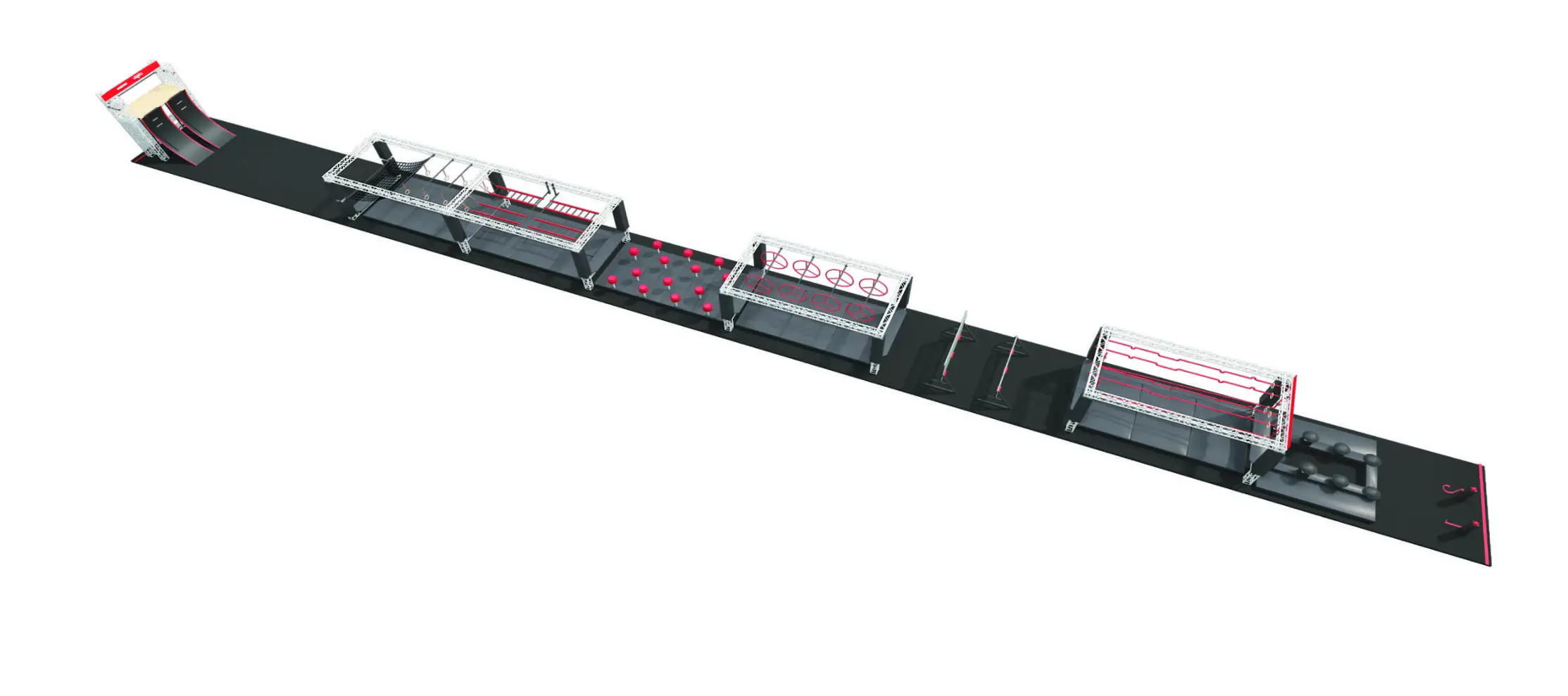
הקסם האמיתי של מסלול מעולה מסלול parkour זה הזרימה. זו לא רק אוסף של מכשולים; זו מסלול מחובר שמעודד תנועה רציפה. אתם רוצים שספורטאים יוכלו לחבר בין תרגילים, לזרום מריצה למדף, ישירות לעלייה לקיר, ואז למטה לקפיצה מדויקת על מסילה. סוג זה של סדר תרגילים הוא מה שנותן לספורט את היופי שלו כצופים ואת ההנאה שלו כשאתם מבצעים אותו.
כשאתם ממצבים מכשולים, חישבו על המסלולים. האם מישהו יכול לבצע ריצה שכוללת שלושה או ארבעה רכיבים שונים ללא עצירה? האם תוכלו ליצור מספר מסלולים בעלי קושי שונה על אותו ציוד? כאן ניכר באמת העיצוב הטוב. זה נותן לספורטאים אפשרויות. זה מאפשר להם לבחור את הרפתקאותיהם משלהם בהתאם לרמת הכישרון שלהם ולמצב הרוח שלהם באותו יום.
מדוע איכות חשובה
שום דבר מזה לא עובד אם הציוד לא בנוי לארוך טווח. פארקור הוא תחום קשה על הציוד. אנשים קופצים עליו, מתנודדים ממנו ונוחתים עליו חזק שוב ושוב. הציוד חייב להיות מסוגל לסבול את העונש הזה יום אחרי יום בלי להתקלקל. אתם רוצים חומרים שמתאימים לתנאי מזג אוויר אם המסלול נמצא בחוץ, ואתם רוצים בנייה שיכולה לעמוד בפגיעות הקבועות.
החברה יש לה יותר מ־9 שנות ניסיון וסיפקה ציוד לאירועים גדולים וארגונים ברחבי העולם. רקע כזה אומר שהיא מבינה מה עומד במבחן ומה לא. כשאתם משקיעים במסלול פארקור מספק עם רקורד כזה, אתם מקבלים ציוד שנבדק ברמות הגבוהות ביותר של הספורט. זהו ציוד שאתם יכולים לסמוך עליו שלא יתקלקל כשמישהו נמצא באמצע תנועה מורכבת.
מעבר למכשולים בלבד
פונקציונלי באמת מסלול parkour היא גם אזור התעמלות לחיים. היא מלמדת על עקביות. לא הצליחם לעלות מעל החומה בפעם הראשונה? אתם קמים ומניסים טכניקה שונה. היא מלמדת על יצירתיות. לעולם אין דרך אחת בלבד לעבור מעל מסילה או מעל קופסת קפיצה. היא מלמדת על מודעות גופנית. לומדים בדיוק מה היכולות של האיברים שלכם ומה המיקום שלהם במרחב.
לבעל מתקנים או למאמן, תצורה רב-תפקודית פירושה יכולת להפעיל קבוצות שמעולם לא נהיית משעממות. ניתן להרכיב מעגלי אימון שמתמקדים בכוח ביום אחד ובדיוק ביום הבא. ניתן לאפשר לילדים פשוט לשחק ולחקור, תוך בניית דרכים ייחודיות משלהם לנוע במרחב. סוג זה של משחק פתוח הוא המקום שבו מתרחשת הפיתוח האמיתי של הכישורים.
האיחוד של כל האלמנטים
אז כשאתם מתכננים את המסלול שלכם, התחלו מהיסודות. קבלו תיבות אחסון עמידות וברות-תפירה במגוון גדלים. בנו קירות בגובה מספיק כדי להיות אתגר, אך שניתן לתקוף אותם מזוויות שונות. הוסיפו מסילות בגבהים, אורכים ועוביים שונים. לאחר מכן סדרו אותן במרחב שמאפשר יצירתיות וזרימה. חישבו על האופן שבו הן מחוברות. חישבו על הסיפור שהמסלול מספר כאשר מישהו נע דרכו.
הטוב ביותר מסלולי פארקור מרגישים כמו חלק טבעי של הסביבה. הם מזמינים תנועה. הם גורמים לכם לרצות לרוץ, לקפוץ ולטפס. על ידי שילוב מושכל של תיבות אחסון, קירות ומסילות, אתם יוצרים את ההזמנה הזו. אתם בונים מקום שבו ספורטאים יכולים לדחוף את הגבולות שלהם, ללמוד מיומנויות חדשות לחוות את השמחה הטהורה של תנועה דרך המרחב בדרך מאתגרת ומביאה הנאה.