 EN
EN
איך לבחור מכשולים לسباقי חסמים מחוץ לקו (OCR) שבודקים גם כוח וגם סיבולת?
כשאתם מתקינים מסלול לسباق חסמים מחוץ לקו (OCR), בחירת הציוד הנכון היא הכול. אתם רוצים מכשולים שדוחפים את הספורטאים לגבולותיהם, גורמים להם לחקור לעומק אחר כוח תוך כדי בדיקת יכולתם להמשיך להתקדם כשעומס העייפות עולה. הקסם במסלול מעולה הוא בדיוק באיזון הזה. אז איך באמת בוחרים מכשולים שמעוררים את שני התחומים: כוח וסיבולת? זה מתחיל בהבנה של מה שכל חלק במסלול דורש מגוף האדם.
הבנת האתגר הכפול
כוח וסיבולת הם שני יצורים שונים. כוח קשור לכוח גולמי, כמו לעלות את עצמכם על חבל או להרים את משקל גופכם מעל קיר. סיבולת קשורה לקיימיות המאמץ לאורך זמן, כמו ריצה בין מכשולים בזמן שהשרירים כבר צועקים. מכשול שמשלב את שני הכוחות האלה דורש מהספורטאי לבצע תנועות עוצמתיות, אך לעיתים קרובות כאשר קצב פעימות הלב שלו כבר גבוה מריצה. שילוב זה הוא המבחן האמיתי של ספורטאי OCR.
חישבו על מכשול נשיאה סטנדרטי. הנשיאה של משהו כבד פועלת מיד על הכוח הגולמי, אך כאשר עליכם לנוע עם המשקל הזה לאורך מרחק, היא הופכת למבחן של סיבולת שרירים. הספורטאי לא רק מרימים; הוא קיים את המאמץ הזה צעד אחר צעד. כאן נוצר מצב שבו פריט ציוד פשוט יכול להפוך לייעיל ביותר.
הגיבור הלא מוזכר: הלוח
אחד הכלים היעילים ביותר ליצירת שילוב זה הוא פשוט להפתיע: הלוח. לא התרגיל, אלא המחסום הפיזי עצמו. לוח מעוצב היטב, כמו זה שאנו רואים לעתים קרובות, הוא דוגמה מושלמת. דמיינו לוח עץ מוצק באורך שלושה מטרים, עם משטח לא מחליק בשני צדדיו. אולי נראה בסיסי, אך בידיו של מעצב מסלולים טוב, הוא הופך לכלי רב-תכליתי.
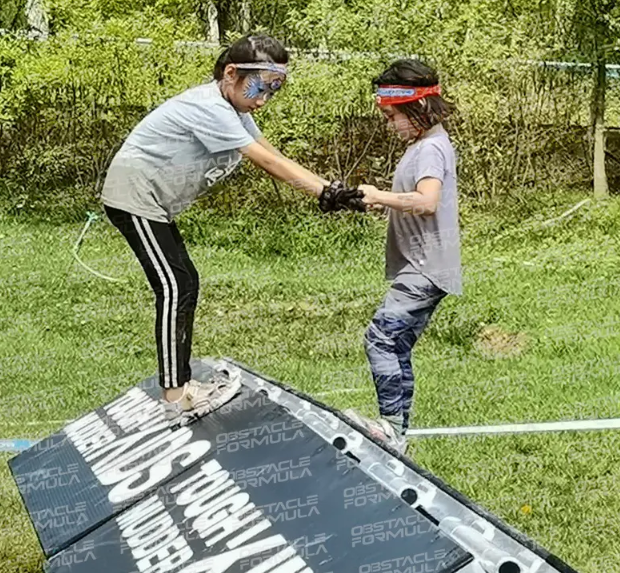
מבט ראשון עלול להוביל אתכם לשים אותו ישר על הקרקע כדי לבדוק את האיזון. ספורטאי חייב לשים בזהירות רגל אחת לפני השנייה, תוך התמקדות בשרירים המרכזיים ובשרירים המאזנים שלו רק כדי להשאר זקוף. בכך נבדקת סוג אחר של כוח – כוח עמוק ומאזן שמונע פציעות. אבל זו רק ההתחלה. כדי לבדוק באמת את הסיבולת, ניתן להרים את אותו לוח מהקרקע. לפתע, הספורטאי חייב לשלב איזון עם מאמץ מתמשך של חצייתו במהירות, בעוד רגליו רועדות מהריצה הקודמת. זהו מאמץ גופני ונפשי.
הטמעת גמישות בקורס שלכם
היופי של קורס יעיל מכשול OCR הוא בגמישותו. אינכם צריכים מאה מכשירים מורכבים שונים. אתם צריכים רק מספר קטן של פריטים מוצלחים שיכולים להתקלף בדרכים רבות. קחו שוב את הלוח הפשוט הזה. הבנייה שלו חשובה. הוא עשוי עץ על פרופיל תרומה מתכת, מה שנותן לו יציבות ואמינות. הוא מסוגל לשאת את המטפסים עליו, את הגשם שפוגע בו, ואת השימוש החוזר ללא התפרקות. עמידות זו היא קריטית עבור כל סדרת מרוצים רצינית.
ניתן להשתמש בו כקרש איזון נמוך כדי לאלץ תנועה זהירה ומבוקרת. ניתן להטותו כדי ליצור מדרון לעלייה שדורש כוח משיכה של הזרועות בשילוב עם דחיפה של הרגליים כדי להניע את הגוף כלפי מעלה. ניתן למקם אותו בין שני מסגרות בצורת A, ובכך ליצור מעבר מרומם שמתנדנד במעט עם משקל הספורטאי, ובכך לבדוק את חוזק האחיזה שלו ואת יציבות הליבה שלו בכל צעד רעיד. כל וריאציה פועלת על גוף הספורטאי באופן שונה: ברגע אחד הוא צריך כוח מתפוצץ כדי לעלות על הקרש, וברגע הבא הוא צריך סיבולת יציבה כדי לשמור על האיזון ולמשיך להתקדם קדימה בלי ליפול.
בהתחשב במסלול הספורטאי
בבחירת המכשולים, עליכם גם לחשוב באילו מקומות הם מתאימים במרוץ. בשלב המוקדם של המסלול, כאשר הספורטאים רעננים, מעבר על לוח עץ עשוי להיות מבחן מהיר של כישורים. אך אם תמקמו את אותו מכשול לאחר חמישה קילומטרים של ריצה, נשיאה כבדה וריצת זחילה בחולות, הוא הופך למבחן עצום של סיבולת. השרירים שלהם חסרי חמצן, הקשב שלהם מתנדנד, והפעולה הפשוטה של הנחת רגל אחת לפני השנייה על לוח צר הופכת למאבק בגוף המתייגע שלהם.
כאן נגלית האיכות האמיתית של הציוד. לוח ברוחב סטנדרטי של 25 ס"מ מספק מספיק מקום לצעד בטוח, אך לא כל כך הרבה שיעשה אותו קל מדי. העובי של 4.8 ס"מ מבטיח שלא יתעקל או ישבר תחת ספורטאי עייף שעשוי להחליק עליו. המבנה נגד החלקה משני צדדיו של הלוח קריטי, משום שמכשולים נעשים רטובים וחולתיים. הבטיחות של הספורטאי והיכולת שלו לדחוף את גבולותיו תלויים בכך שהציוד יהיה אמין גם בתנאים הקשים ביותר.
התפקיד של כוח הליבה ביכולת הסיבולת
אנשים לרוב חושבים על סיבולת כעל כוח הריאות בלבד, אך כוח הליבה הוא הקישור החבוי. כמעט כל תנועה בתחרות חסמים (OCR) מעבירה כוח דרך הליבה. כאשר אתם מושכים את עצמכם למעלה על לוח משופע, השרירים הבטניים והגב עובדים בעוצמה רבה כדי לשמור על יישור הגוף, כך שזרועותיכם ורגלייכם יוכלו לייצר כוח. אם הליבה נכשלת, כל המערכת נופלת.
לכן, חסם המחייב מעורבות של הליבה, כמו הליכה על לוח הדורשת איזון, תורמת גם לסיבולת האתלט. הוא כופה עליהם להחזיק עמדה מאולצת לאורך זמן ממושך. התכווצות איזומטרית זו היא צורה של עבודת כוח שבונה סיבולת יוצאת דופן בשרירים העמוקים הללו. במהלך תחרות ארוכה, ליבה חזקה פירושה שמירה טובה יותר על הטכניקה, מה שפירושו שימוש יעיל יותר באנרגיה ודחיית נקודת ההתעייפות המוחלטת.
ביצוע הבחירה הסופית
אז, איך בוחרים את המכשולים הנכונים? מחפשים חלקים פשוטים, עמידים ומעוררי פוטנציאל. רוצים בלוקים לבנייה שיאפשרו לדמיון שלכם ליצור את האתגרים השונים. לוח מוערך היטב, שנבנה לאריכות חיים בחומרים איכותיים, הוא אחד הבלוקים האלה. הוא בודק את האיזון והשליטה שמגיעים מכוח הליבה, וניתן למקם אותו כדי לדרוש מהספורטאי את כל כוחותיו.
בסופו של דבר, המوانעים הטובים ביותר אינם רק חוסמים את הדרך. הם גורמים לספורטאי לפקפק אם יש לו את היכולת להמשיך. הם משלבים דרישה לכוח עם דרישה להתמדה. כאשר בוחרים ציוד מספקן בעל ניסיון רב, שיצר מوانעים עבור המسابقات הגדולות בעולם, אתם יודעים שאתם מקבלים ציוד שנבחן ונמצא כראוי למטרה הזו בדיוק. אתם משקיעים בפריטים שיאתגרו כל תחום מהיכולות של הספורטאי — מהקפיצה האקספלוזיבית הראשונה ועד הצעד האחרון, המנומנם, מעבר לקו הסיום.