
 EN
EN

5 key elements to consider when setting up a durable obstacle course.
Building an obstacle course can be a fun and rewarding project. Courses can be built in backyards, on school playgrounds, and in community fitness spaces. While rewarding, it is also a challenge to build something that will last. It is frustrating to have equipment falling apart after only a couple of months of use. Therefore, it is important to think about how to build your course in a way that makes the equipment last a long time.
The durable materials you choose for your course can determine its long-term durability. Success also comes down to smart planning and how well the materials can withstand all kinds of weather. You need to make sure the materials are not flimsy, as that can make the course a safety hazard. Building a course can be very fun, but it is also very important to keep in mind the key focus areas of safety and durability.
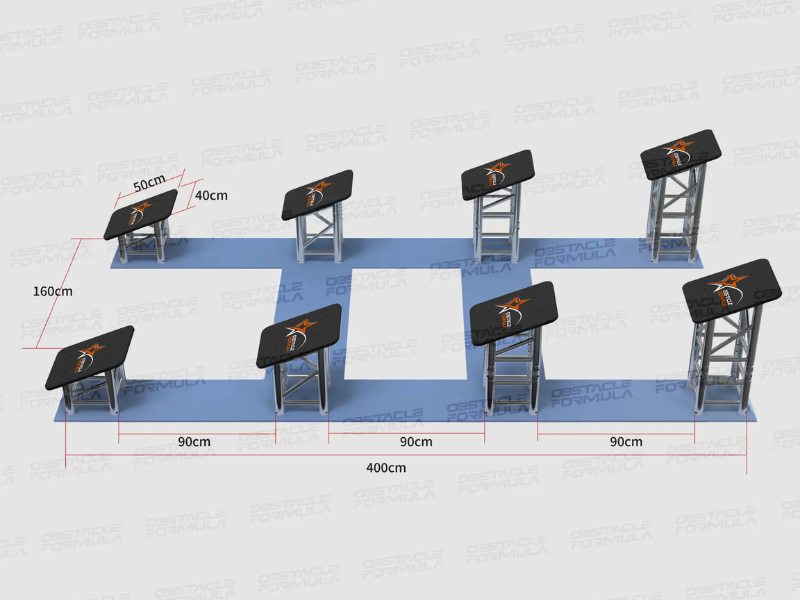
Selecting the Best Materials
Selecting your materials is one of the most important parts of building your obstacle course. Think about how the course will be used: people will jump over, climb on, and swing from the structures you build, and they will be exposed to all kinds of weather. The last thing you want is for the materials to warp and crack.
For the structural posts, you will want to use either heavy-duty galvanized steel or pressure-treated wood. Both of these materials are less likely to rot or become infested over time. Galvanized steel, while more expensive, is an excellent choice for a permanent or high-traffic location due to its exceptional longevity.
For the walls, climbing surfaces, and panels, consider using composite materials, high-density polyethylene, or marine-grade plywood. These materials will be more expensive than standard plywood, but they are a better investment in the long run as they withstand heavy impacts and moisture more effectively.
Finally, consider visibility and weather resistance for elements like ropes and nets. Opt for UV-stabilized, weather-resistant polyester or nylon that will not break down or become slippery when wet. Investing in high-grade materials will save you money down the line and result in a truly durable obstacle course.
Design and Construction for Lasting Value
Great design must be matched with great materials. A solid course needs thoughtful design and engineering. This is more than just using bolts to hold pieces together; it’s about understanding forces, weight distribution, and managing stress points.
All major vertical structures should be securely anchored into the ground. Concrete footings are the strongest option for permanent courses. For semi-permanent setups, heavy-duty ground anchors are acceptable, but they need to be monitored and maintained regularly.
The design should take into account the intended use and flow of the course. Will multiple people use the same obstacle simultaneously? Will there be high-impact landings? Overloading any single element poses a risk. Properly spacing obstacles and adding extra support to high-traffic platforms are part of building a resilient course.
Also, be mindful of how users interact with the course. Rounded edges, smooth surfaces, and secure, countersunk fasteners (like carriage bolts instead of exposed screws) enhance safety and reduce points of wear.
Never Compromise on Safety Features
Safety and durability go hand in hand. For an obstacle course to be durable, it must also be safe. The best designs integrate safety features seamlessly, which in turn builds user confidence.
First, consider the landing zones. Any challenge involving height—like climbing cargo nets or crossing monkey bars—requires impact-absorbing surfaces such as poured rubber, rubber mulch, or thick safety mats. These materials protect users and also reduce the shock transmitted back to the structure during dismounts.
Next, build regular inspection points into the design. Are bolts easy to access and tighten? Can wooden beams be checked for cracks? A design that enables easy maintenance is a design that will last.
Furthermore, ensure good visibility and clearance around each obstacle. The space should be free of debris and provide enough room for safe movement. Proper usage signage can also prevent misuse that strains the equipment. A course that is used correctly is used more safely and sustainably, directly extending its lifespan.
Essential Maintenance and Preservation Planning
Here’s a secret: planning for maintenance isn’t admitting weakness; it’s ensuring long-term strength. From day one, create a simple but regular maintenance schedule. Even the most durably built obstacle course needs care.
Inspect all hardware—bolts, nuts, carabiners, and chains—regularly for rust or loosening. Check wooden components each season for splinters, cracks, or rot. Look for signs of metal fatigue, like bending or warping, on heavily loaded parts.
Keep the course clean. Dirt, mud, moss, and other debris can create slippery surfaces and accelerate wear. Periodically washing down the course can help prevent material degradation.
Keeping a small stock of common replacement parts, like specific bolts or sections of rope, can significantly reduce downtime. Proactive care allows you to catch small issues before they turn into expensive problems.
Adapting to Your Local Environment
Your obstacle course exists in a specific location, and that environment will challenge it daily. True durability means tailoring the build to your local climate and conditions.
Does the area get intense, direct sunlight with high UV exposure? Prioritize UV-resistant materials and coatings to prevent fading and brittleness. Is it a rainy or humid climate? Focus on drainage, use rust-resistant metals, and select rot-resistant woods. For windy sites, ensure structures are securely anchored and avoid large, flat surfaces that can catch the wind.
Also, consider the ground itself. Soft, sandy soil requires different anchoring solutions than hard clay. Proper drainage around footings is crucial to prevent water pooling and, in colder regions, frost heave, which can crack concrete and shift posts.
By working with your environment, not against it, you create an integrated obstacle course ready for whatever nature brings.
Building a durable obstacle course is an exciting endeavor. It creates a valuable space for community, fitness, and personal challenge. By carefully considering these five elements—materials, design, safety, maintenance, and environment—you are building for the future. You are creating a reliable, fun, and valuable obstacle course that will serve users well for years to come. Now, go build your ultimate challenge!