
 EN
EN
نکات کلیدی برای نگهداری مسیر مانعها جهت تضمین استفاده بلندمدت از آن.
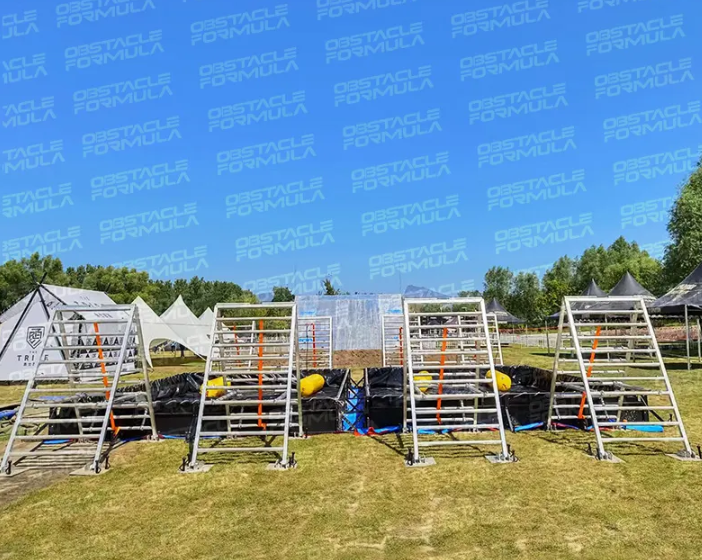
ساخت و ساز مسیر موانع این کار نیازمند دید بلندمدت و سرمایهگذاری است. اما آنچه پس از ساخت رخ میدهد، به اندازه خود ساخت نیز اهمیت دارد. یک مسیر که بهدرستی نگهداری نشود، طولانیمدت باقی نمیماند. این مسیر تخریب میشود، ایمنیاش از بین میرود و جادویی که مردم را به دویدن روی آن ترغیب میکرد، از بین میرود. حفظ وضعیت خوب یک مسیر برای مدت طولانی، کار سختی است. این کار نیازمند توجه مستمر، شناخت دقیق اینکه چه چیزی را باید زیر نظر داشت و در چه زمانی باید اقدام کرد، میباشد. اگر میخواهید مسیر شما سالها در دسترس ورزشکاران باقی بماند و به ساختن جامعه کمک کند، باید نگهداری را به عنوان اولویتی اصلی قرار دهید.
بازرسی روزانه و اقدامات هفتگی
راز نگهداری بلندمدت این نیست که صبر کنید تا چیزها خراب شوند. بلکه این است که مشکلات را در ابتداییترین مراحل شناسایی کنید، زمانی که هنوز جزئی و ارزانقیمت برای تعمیر هستند. این بدان معناست که برنامهریزی منظمی انجام دهید و به آن پایبند باشید. مسیر خود را بهطور منظم طی کنید؛ نه فقط یک نگاه سریع، بلکه یک بازرسی واقعی. چیزها را لمس کنید. آنها را تکان دهید. اگر چیزی حرکت کرد که نباید حرکت میکرد، این یک مشکل است. اگر چیزی فرسوده به نظر رسید، یادداشتی بنویسید. بازرسی هفتگی، مسائل جزئی را پیش از اینکه به مشکلات بزرگ تبدیل شوند، شناسایی میکند. بازرسی عمیق ماهانه، مواردی را که ممکن است در بازرسیهای قبلی از قلم افتادهاند، آشکار میسازد. روتین دوست شماست. این روتین شما را در برابر فرسایش پیشتر نگه میدارد.
مواد مختلف نیازمند توجههای متفاوتی هستند. چوب در صورت قرار گرفتن طولانیمدت در محیط مرطوب، فاسد میشود؛ بنابراین باید به دنبال نقاط نرم و محلهایی باشید که آب بتواند بهراحتی تخلیه شود. فلزات، بهویژه در اتصالات، زنگ میزند؛ پس باید به دنبال پوستههای نارنجیرنگ و سفتی اتصالات باشید. طنابها دچار پرزشدن میشوند؛ بنابراین باید با دست خود روی طناب حرکت داده و برای تشخیص رشتههای شکسته احساس کنید. شما باید بدانید با چه چیزی سروکار دارید و هر ماده برای بقای خود چه نیازی دارد. موانعی که قسمتهای متحرک دارند، سایش بیشتری را تجربه میکنند: میلههای نوسانی، دستگیرههای چرخشی و دیوارهای مفصلی. این قطعات با گذشت زمان شل میشوند و نیازمند تنظیم دورهای و روانکاری هستند. به صداهای خشخش یا سایشی گوش دهید؛ این صداها پیام تجهیزات شماست که نشاندهندهٔ وجود مشکلی است. آنها را نادیده نگیرید.
زمین زیر موانع نیز تحت فشار قرار میگیرد. افراد با شدت بر روی آن فرود میآیند. لیز میخورند. به مرور زمان، مناطق فرود متراکم میشوند. تراشههای چوب تجزیه میشوند. ماتهای لاستیکی جابهجا میشوند. اگر سطح فرود بیش از حد سفت شود، سقوطها خطرناک میگردند. شما باید این مناطق را بهطور منظم تازهسازی کنید. تراشههای چوب را پف دهید. آنچه از بین رفته است را جایگزین کنید. اطمینان حاصل کنید که لایه ضربهگیر همچنان وظیفه خود را انجام میدهد. فرود نرم، فرود ایمن است.
پاکسازی، ردیابی و گوش دادن
گرد و غبار و آشغالها تنها مشکلات ظاهری نیستند. آنها آسیبها را پنهان میکنند. رطوبت را نگه میدارند. و تخریب را تسریع میکنند. یک مسیر که تمیز باقی بماند، مسیری است که شما میتوانید آن را بهوضوح ببینید. گلی که روی چوب باقی میماند، آب را در برابر سطح محبوس میکند. برگهای انباشتهشده در پایه، رطوبت را حفظ میکنند. ذرات سخت در قطعات متحرک، سرعت سایش آنها را افزایش میدهند. پاکسازی منظم صرفاً برای ظاهر نیست؛ بلکه برای افزایش طول عمر است. اشیاء را با آب شستشو دهید. اشیاء را جارو بکشید. به مسیر خود اجازه دهید «نفس بکشد».
ثبتی از کارهای انجامشده نگه دارید. آن پیچ را چه زمانی سفت کردهاید؟ آن طناب را چه زمانی تعویض کردهاید؟ آخرین بار که منطقه فرود را بهروزرسانی کردهاید چه زمانی بوده است؟ ثبت این اطلاعات به شما کمک میکند تا الگوها را شناسایی کنید. اگر هر ماه پیچ یکسانی را سفت میکنید، مشکلی وجود دارد. شاید طراحی نادرست باشد یا شاید قطعه در حال خرابی است. ثبت این اطلاعات دادههایی در اختیار شما قرار میدهد و این دادهها به شما کمک میکنند تصمیمات بهتری بگیرید.
افرادی که دوره شما را اجرا میکنند، چیزهایی را میبینند که ممکن است از نظر شما پنهان بمانند. آنها قبل از شما لقی میله را احساس میکنند و لکهی لغزنده روی تیر را متوجه میشوند. از آنها بخواهید که بدون تردید صحبت کنند. گزارش مشکلات را برای آنها آسان سازید. هر گزارشی را جدی بگیرید. کاربری که اطلاع میدهد، ممکن است جلوی آسیبدیدن فردی را بگیرد یا حتی شما را از یک دعوی قضایی نجات دهد. به حرفهای آنها گوش دهید.
برنامهریزی برای جایگزینی و ایجاد فرهنگ مراقبت
هرچقدر هم که چیزها را بهخوبی نگهداری کنید، هیچچیز برای همیشه باقی نمیماند. چوب در نهایت پوسیده میشود. فلز در نهایت دچار خستگی میشود. طناب در نهایت ترکخورده و فرسوده میشود. باید این واقعیت را بپذیرید و برای آن برنامهریزی کنید. بدانید کدام قطعات احتمالاً زودتر از سایرین فرسوده میشوند. قطعات جایگزین را آماده داشته باشید یا بدانید که بهسرعت از کجا میتوانید آنها را تهیه کنید. وقتی چیزی به انتهای عمر خود میرسد، سعی نکنید از آن بیش از حد استفاده کنید. آن را تعویض کنید. تهیه یک قطعه تجهیزات جدید ارزانتر از وقوع یک آسیب یا صدمه است.
تأمینکنندهی خوب پس از فروش ناپدید نمیشود؛ بلکه همچنان درگیر باقی میماند، از شما حمایت میکند و قطعات جایگزینی را فراهم میسازد که واقعاً منطبق بر محصول شما هستند. وقتی از شرکتی با سالها تجربه در این صنعت خرید میکنید، در واقع در حال خرید یک رابطه هستید؛ یعنی دسترسی به دانش و تخصص آنها را خریداری میکنید. از این فرصت استفاده کنید. از آنها بپرسید که برای نگهداری چه توصیههایی دارند. از آنها بپرسید که کدام قطعات را بیشتر از سایرین دچار خرابی میبینند. آنها دادههایی از صدها مورد استفاده و عملکرد واقعی دارند که میتواند به شما کمک کند.
اگر کارکنانی دارید، آنها را آموزش دهید. اصول اولیه را به آنها آموزش دهید. نشان دهید که چگونه یک پیچ را بررسی کنند. نشان دهید که طناب ساییدهشده چگونه به نظر میرسد. هر چه تعداد چشمهایی که روی مسیر بازرسی میکنند بیشتر باشد، بهتر است. کارکنان آموزشدیده مسائل را زودتر شناسایی میکنند و مشکلات جزئی را پیش از اینکه به مشکلات بزرگتری تبدیل شوند، رفع میکنند.
نگهداری زمان و پول میطلبد. گاهی تمایل دارید یک هفته را از بازرسی رد کنید یا تعمیری را به تعویق بیندازید. این کار را انجام ندهید. هر بازرسیِ انجامنشده خطری است. هر تعمیرِ بهتعویقافتاده شانسی است. پولی که با حذف نگهداری صرفهجویی میکنید، بعداً برای تعمیرات بزرگتر، یا شکایات قانونی، یا جایگزینی تجهیزاتی که زودتر از موعد از کار افتادهاند، خرج میشود. از ابتدا بهدرستی عمل کنید و بهطور مداوم این کار را انجام دهید.
بهترین زمینهای بازی، زمینهایی هستند که همهی افراد نسبت به آنها مسئولیتپذیر هستند: صاحبان، کارکنان و کاربران. وقتی مردم با احترام با زمین رفتار میکنند، طول عمر آن بیشتر میشود. و وقتی مشکلات را گزارش میدهند نه اینکه آنها را نادیده بگیرند، امور سریعتر تعمیر میشوند. این فرهنگ بهصورت تصادفی شکل نمیگیرد؛ بلکه باید آن را بسازید، الگوی آن را ارائه دهید و انتظار آن را داشته باشید. زمینی که دوست داشته شده است، نگهداری میشود. و زمینی که نگهداری میشود، ماندگار میماند.
تمام این تلاشها پرداختی دارد. زمین بازی خوبنگهداریشده، زمینی امن است. و زمین امن، زمینی است که مردم به آن اعتماد دارند. وقتی مردم به زمین شما اعتماد میکنند، دوباره بازمیگردند، دربارهاش به دوستانشان اطلاع میدهند و خانوادهشان را نیز به آنجا میآورند. زمین شما بخشی از جامعه میشود و مکانی میگردد که خاطرات در آن خلق میشوند. این هدف شماست؛ و همین دلیلی است که از ابتدا زمین را ساختهاید. نگهداری همان چیزی است که شما را به این هدف میرساند و در آن موضع نگه میدارد.