Innovation is the lifeblood of the obstacle course racing industry. As athletes become more skilled and events more competitive, the demand for new, challenging, and safe obstacles continues to grow. At Obstacle Formula, research and development (R&D) is not just a department—it’s a company-wide commitment to pushing the boundaries of what’s possible in OCR. Over the past decade, the company has invested heavily in R&D, developing proprietary technologies and obstacles that have redefined the sport and solidified its position as an industry leader.
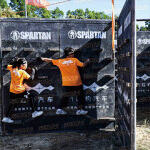
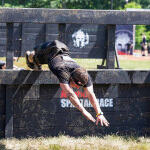
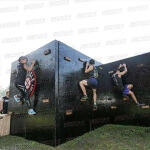
Obstacle Formula's R&D journey began with a simple goal: to create obstacles that are more durable, safer, and more engaging than anything on the market. The company's R&D team—composed of engineers, sports scientists, and former OCR athletes—brings a unique blend of technical expertise and hands-on experience to the table. This team works closely with clients, including major events like Spartan Race and World Obstacles, to identify pain points and unmet needs. For example, after hearing from athletes that traditional climbing walls lacked variety, the team developed the Dare Wall, a proprietary obstacle that combines vertical climbing with horizontal traversal, testing athletes' full-body strength and coordination.
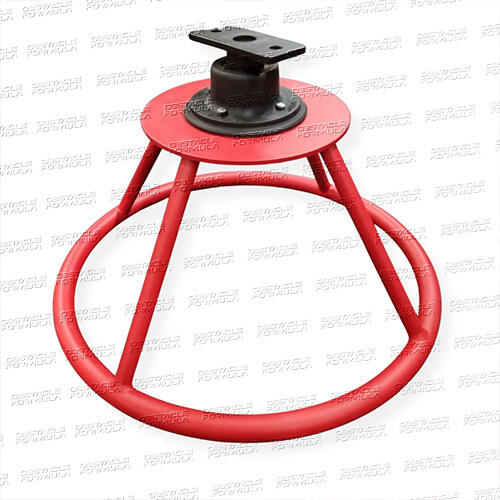
One of the key focuses of Obstacle Formula’s R&D is safety. The company is committed to reducing the risk of injury in OCR, which is inherently a high-risk sport. To achieve this, the team uses advanced technologies like finite element analysis (FEA) to simulate how obstacles will perform under different conditions—from athlete impacts to extreme weather. FEA allows the team to identify potential weak points in the design and make adjustments before the obstacle is built. For example, when developing the Cyclone Wheels, the team used FEA to test the wheel hubs for impact resistance, ensuring they could withstand collisions without breaking.
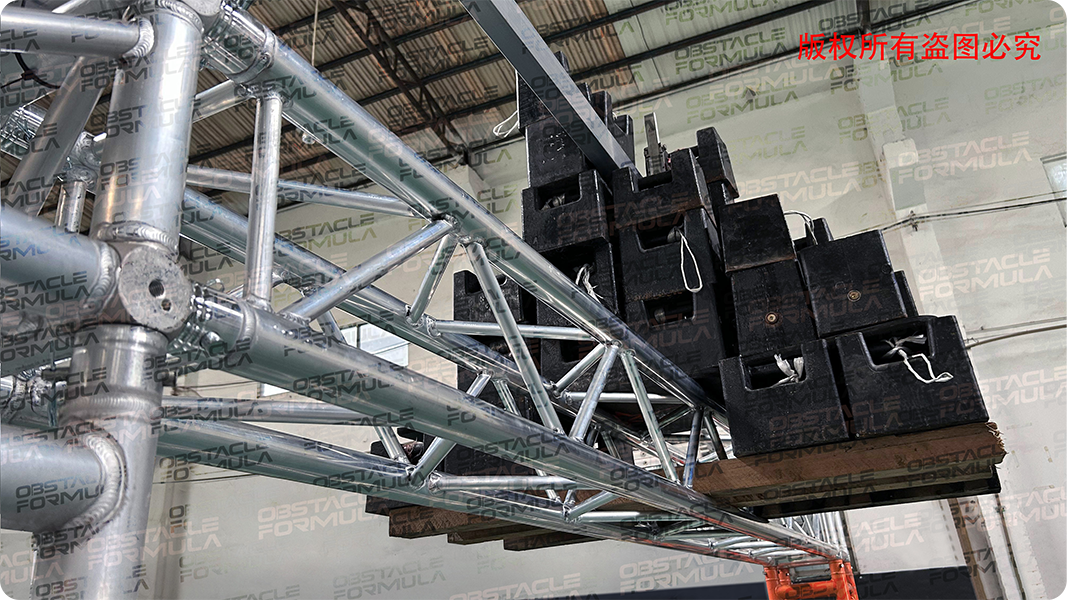
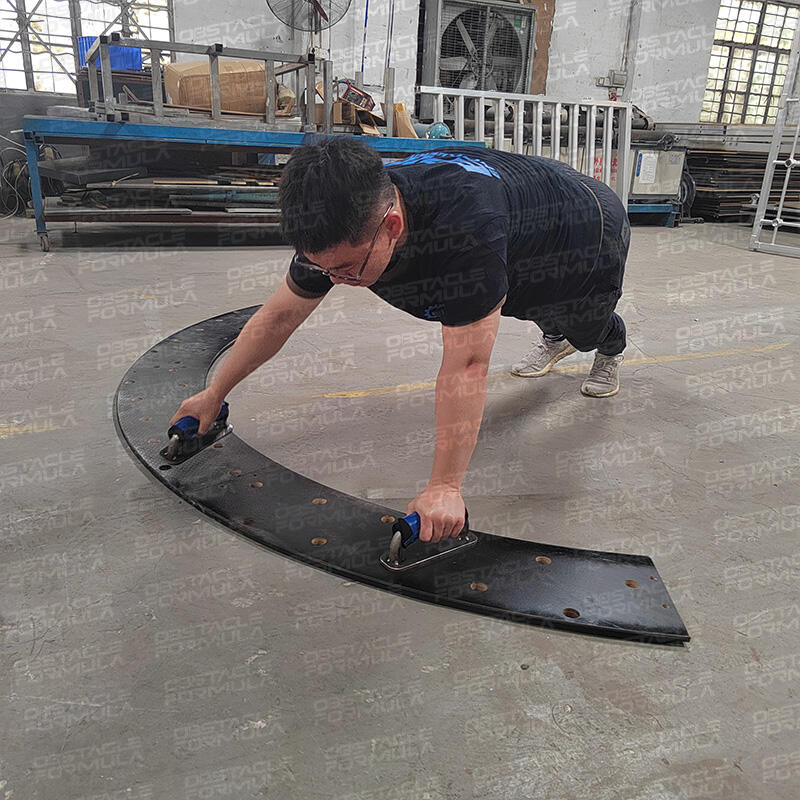
Another focus of R&D is durability. Obstacles are subjected to intense physical stress, and the team is constantly exploring new materials and manufacturing processes to improve longevity. For example, the company has developed a proprietary powder coating that is 50% more resistant to scratches and corrosion than standard coatings. This coating is used on all outdoor obstacles, reducing maintenance costs and extending the life of the equipment. The team has also experimented with composite materials, which offer the strength of steel with the lightweight properties of aluminum, making obstacles easier to transport and set up.
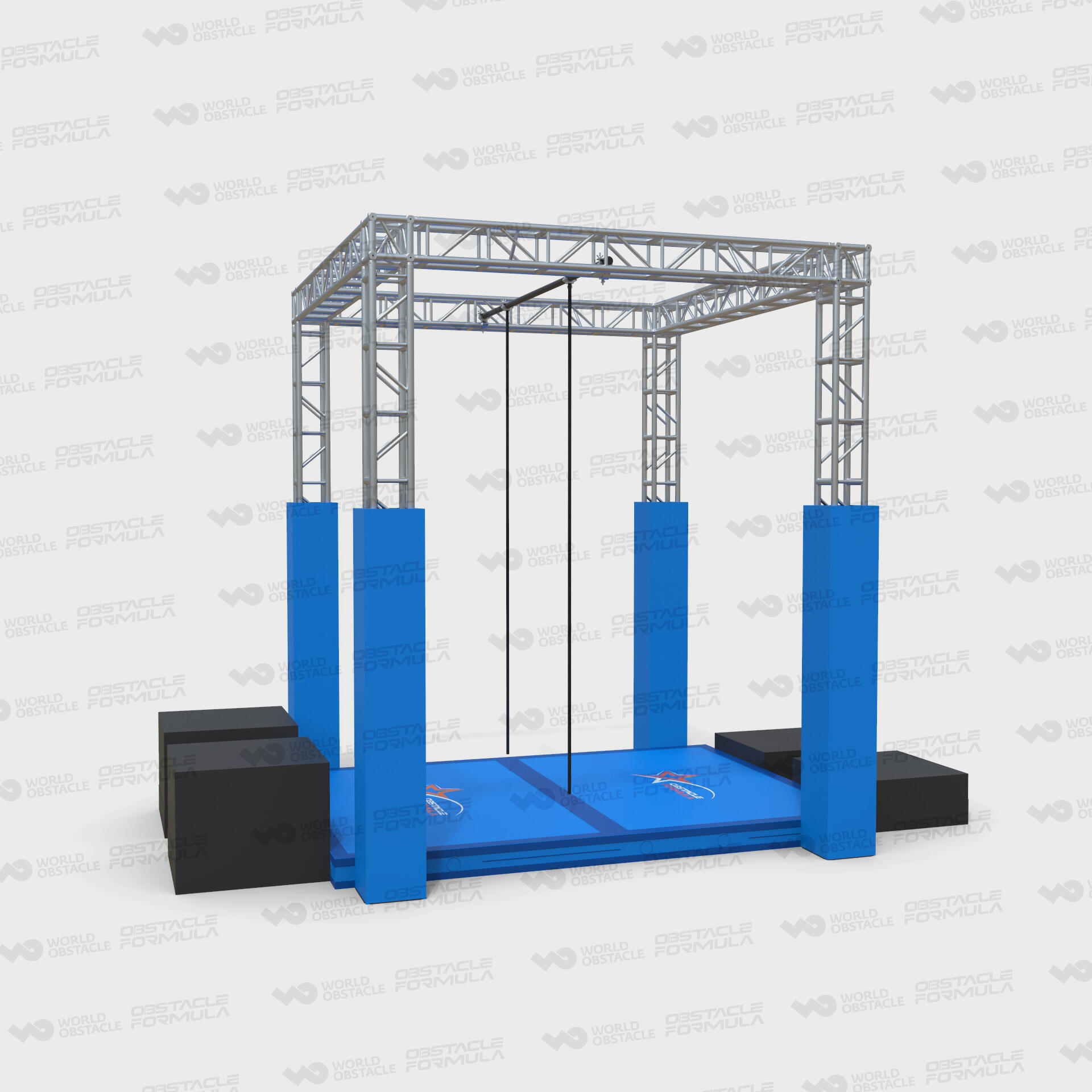
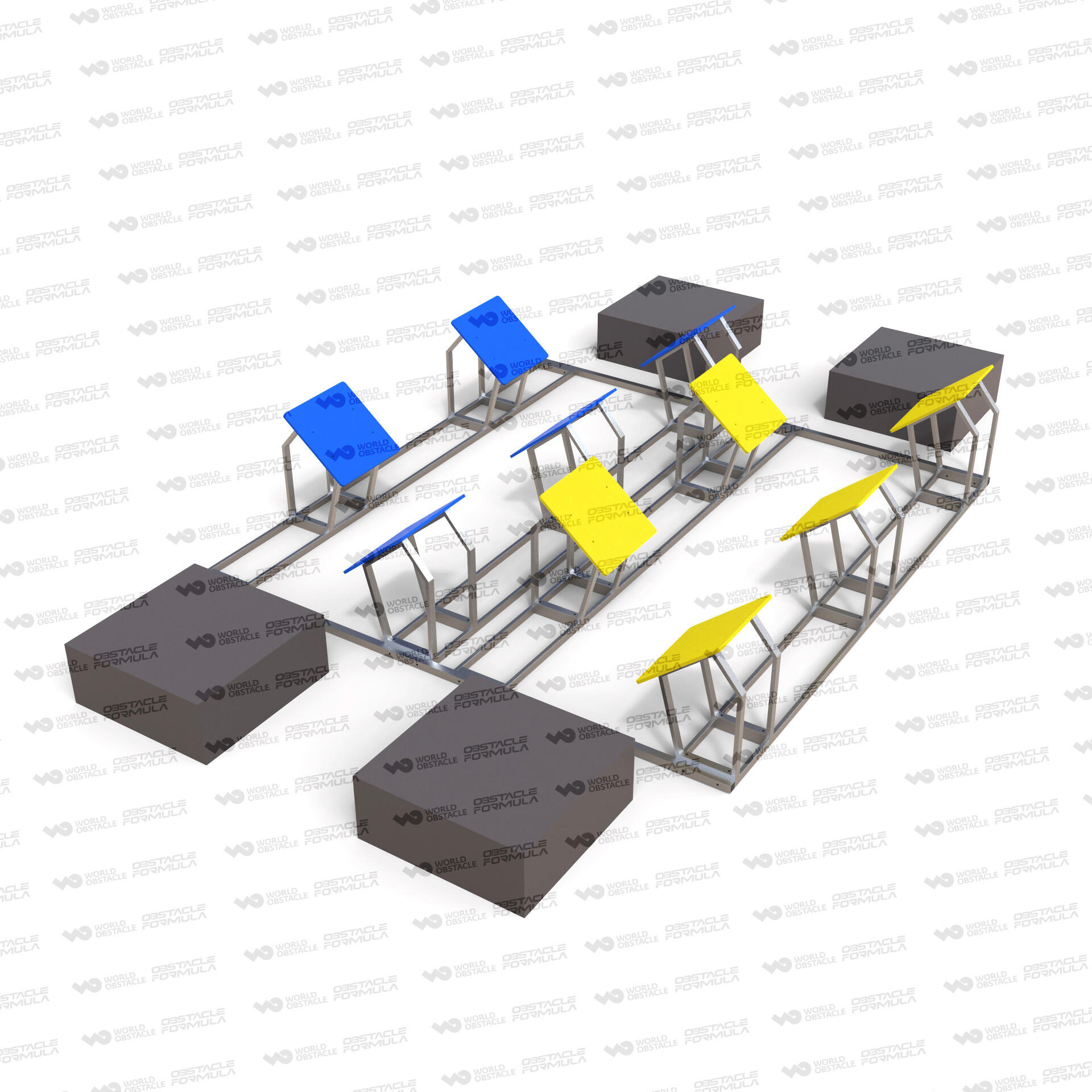
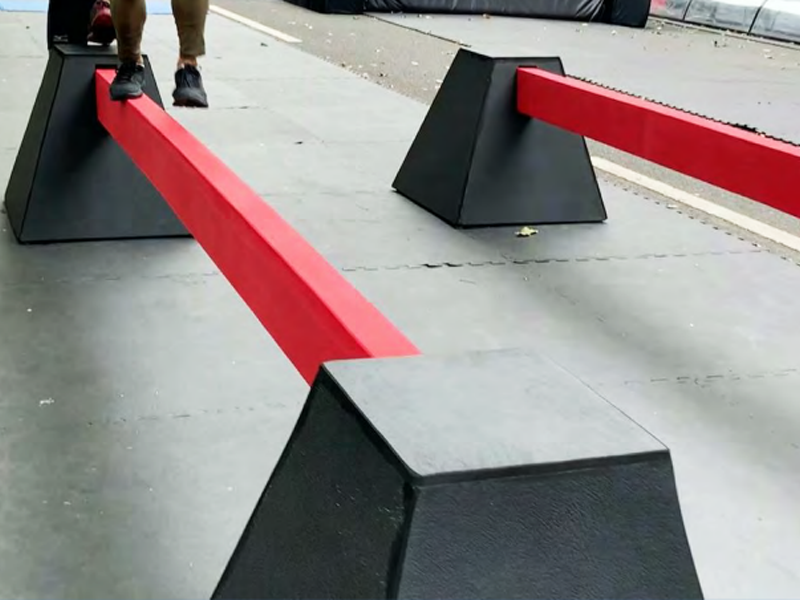
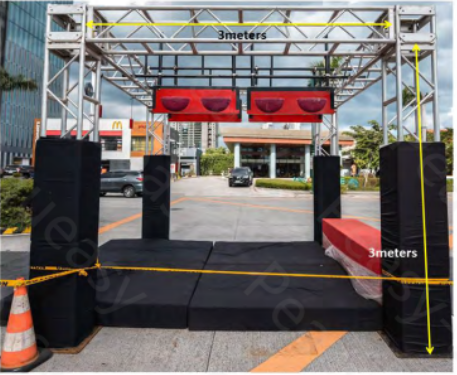
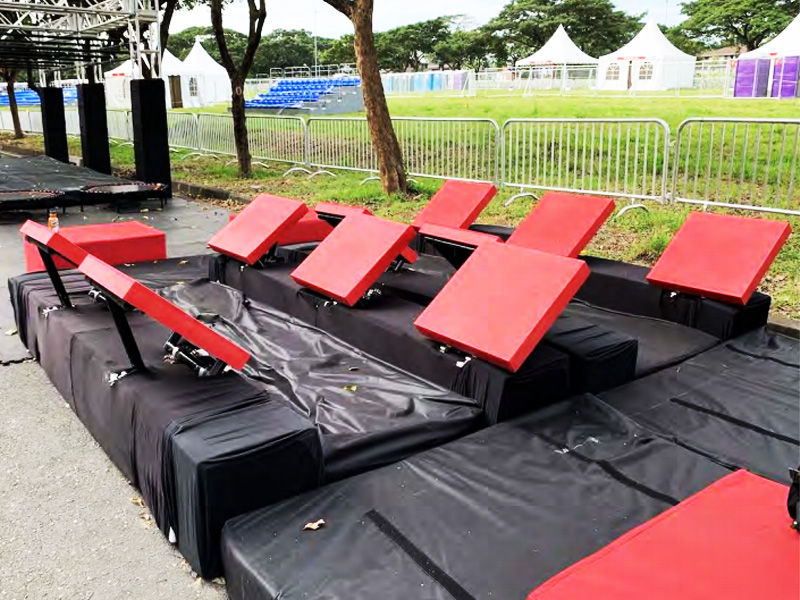
Innovation in obstacle design is another priority for the R&D team. The company has launched several proprietary obstacles that have become fan favorites at events worldwide. The Cyclone Wheels, for example, challenge athletes to balance on rotating wheels while navigating a narrow path, testing their core strength and focus. The Gold Victory obstacle is a multi-part challenge that includes a vertical climb, a balance beam, and a final jump, rewarding athletes with a sense of accomplishment when they complete it. The Uni-Bike, a unique obstacle that combines balance and coordination, has been featured in ninja warrior competitions and backyard training sets alike.
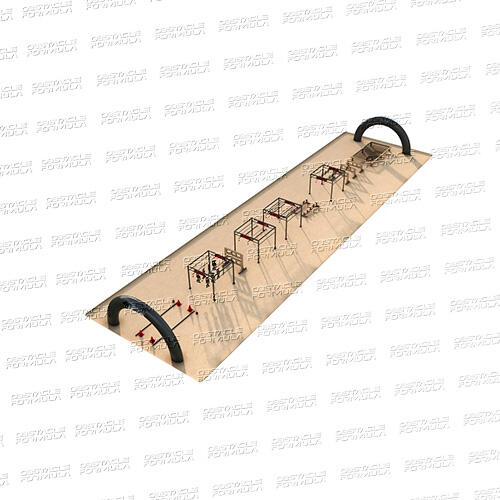
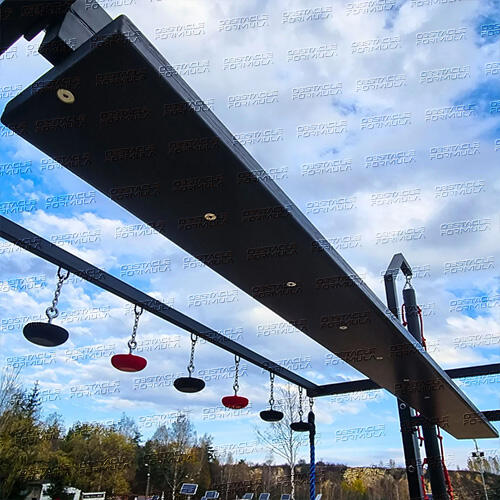
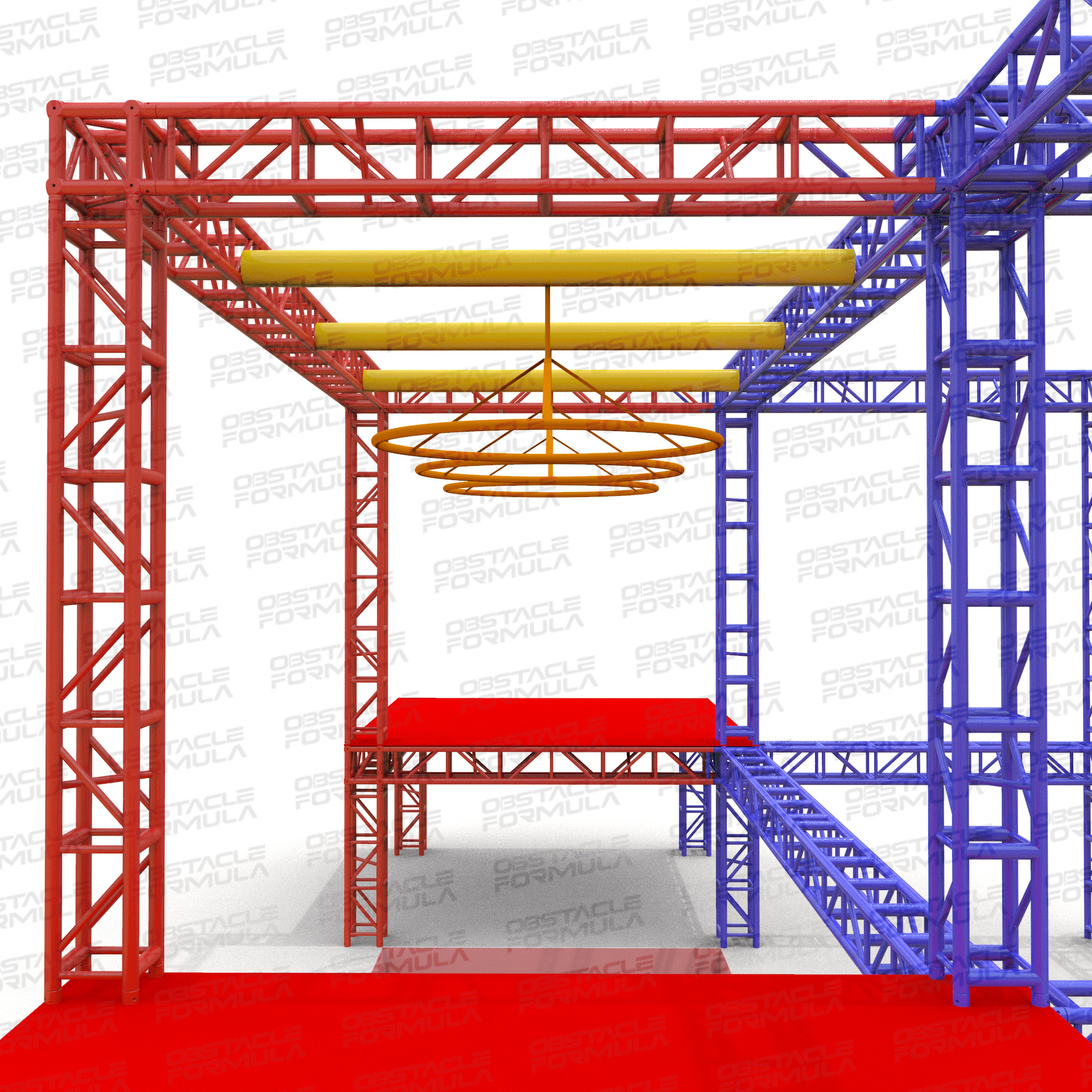
Obstacle Formula’s R&D team also focuses on adaptability. The company’s obstacles are designed to be modular, allowing clients to customize them to fit different spaces, budgets, and skill levels. For example, the company’s ninja warrior obstacles can be adjusted to be easier for beginners or more challenging for elite athletes. This adaptability is made possible by innovative design features like adjustable heights, removable components, and interchangeable surfaces. The team is also exploring smart technology, such as sensors that track athlete performance and provide real-time feedback, which could revolutionize training and competition in OCR.
Collaboration is a key part of Obstacle Formula’s R&D process. The company partners with universities, sports science labs, and athlete teams to gather data and test new ideas. For example, the team worked with a sports science lab to study the biomechanics of obstacle navigation, using this data to design obstacles that reduce strain on athletes’ joints and muscles. The company also collaborates with event organizers to test new obstacles in real-world settings, gathering feedback from athletes and spectators to make improvements.
The results of Obstacle Formula’s R&D efforts are evident in its track record. The company holds multiple patents for its proprietary obstacles and technologies, and its products have been used in events that have set 9 world records. The company’s R&D investment has also helped it stay ahead of the competition, with new products and features that keep clients coming back. For example, the company’s anti-clog sprayers (a metaphor for innovative design) have reduced maintenance costs for Southeast Asian hotel chains by 60%, a direct result of R&D into materials and engineering.
Looking to the future, Obstacle Formula’s R&D team has ambitious goals. The team is exploring new disciplines like drone race obstacles and virtual reality (VR) integration, which could expand the reach of OCR to new audiences. The team is also working on more sustainable obstacles, using recycled materials and eco-friendly manufacturing processes to reduce the company’s environmental impact. Additionally, the team is developing obstacles that are more inclusive, catering to athletes with disabilities and making OCR accessible to a wider range of people.
Innovation is not just about creating new products—it’s about improving the sport as a whole. Obstacle Formula’s commitment to R&D has helped make OCR safer, more engaging, and more accessible, benefiting athletes, event organizers, and spectators alike. By continuing to invest in research and development, the company is ensuring that it remains at the forefront of the industry, shaping the future of obstacle course racing for years to come.

 EN
EN