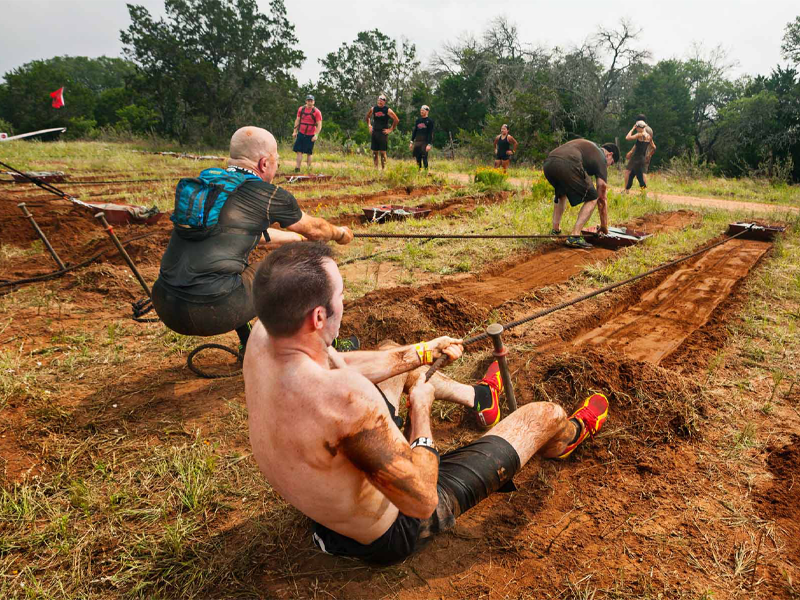
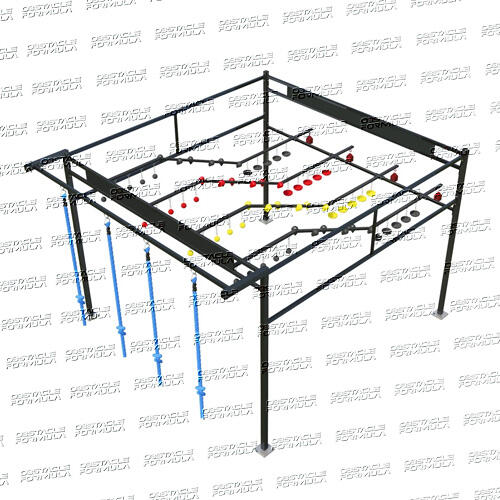
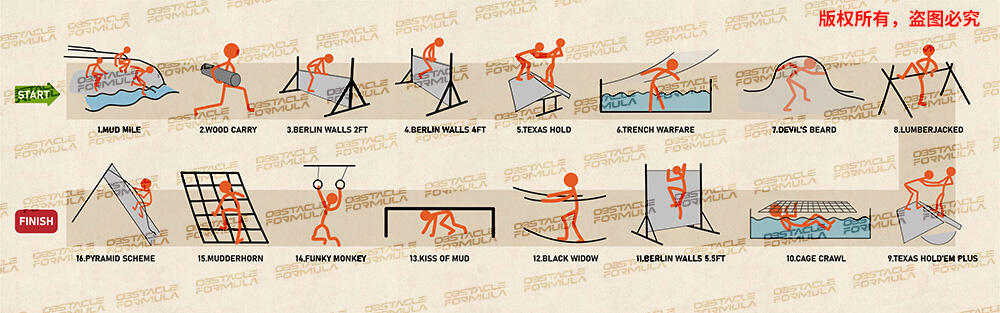
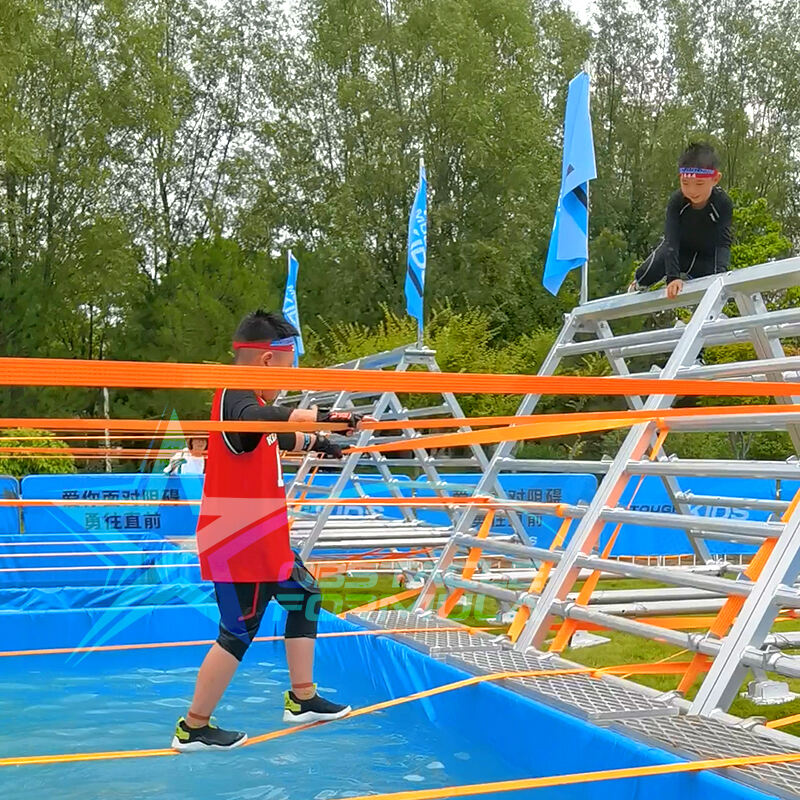
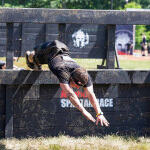
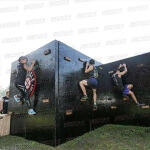
In the high-stakes world of obstacle course racing, durability and reliability are non-negotiable. Athletes push their bodies to the limit, and events depend on equipment that can withstand constant use, extreme weather, and intense physical impact. At Obstacle Formula, manufacturing excellence is the foundation of its reputation as the world’s leading OCR supplier. With a 4,000㎡ factory, state-of-the-art equipment, and a rigorous quality control system, the company produces obstacles that are built to last—decades, not just years.
The manufacturing process at Obstacle Formula is a meticulously orchestrated sequence of steps, each designed to ensure structural integrity, safety, and performance. It begins with material selection, a critical decision that directly impacts an obstacle’s durability and safety. The company uses only premium-grade materials, including high-strength steel (for load-bearing structures), corrosion-resistant alloys (for outdoor use), and non-slip surfaces (for athlete safety). For example, exposed components like bars and frames are crafted from 304 or 316 stainless steel—materials chosen for their resistance to rust, stains, and harsh cleaning chemicals, making them ideal for coastal regions or events with frequent exposure to moisture.
Once materials are sourced and inspected, the production process moves to cutting and shaping. Obstacle Formula uses computer numerical control (CNC) machines for precision cutting, ensuring that every component—from steel tubes to mounting brackets—meets exact dimensional specifications. This level of precision is crucial for modular obstacles, where parts must fit together seamlessly during assembly. For complex shapes, the company employs advanced techniques like laser cutting and plasma cutting, which deliver clean, accurate edges that reduce the risk of weak points in the structure.
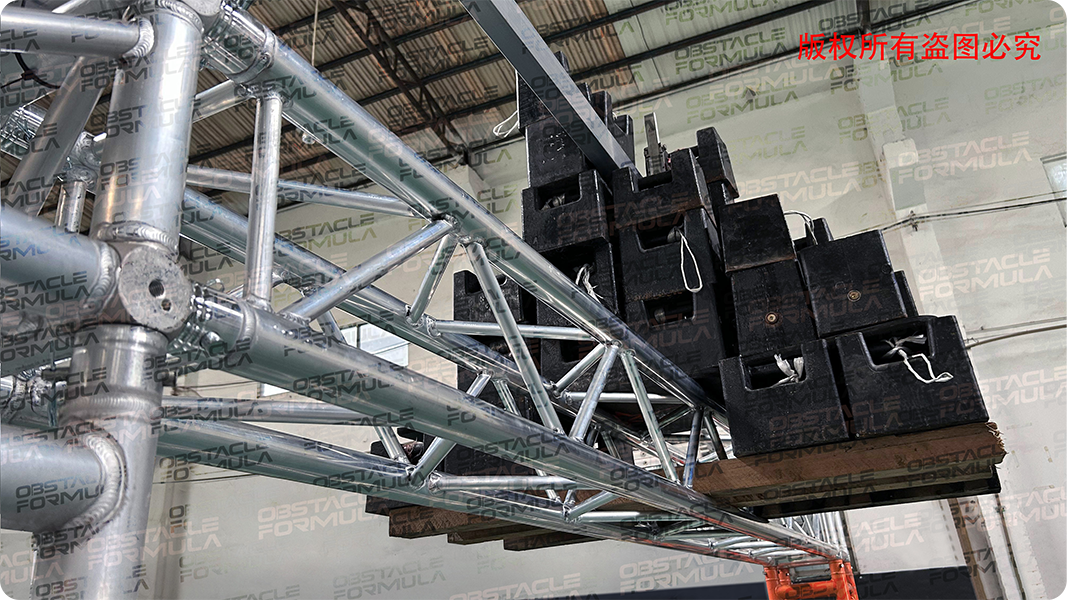
Welding is another critical phase, and Obstacle Formula takes extraordinary care to ensure every weld is both strong and aesthetically pleasing. The company’s welders are highly skilled, with years of experience in structural welding for sports equipment. Each weld seam is double-checked—first by the welder, then by a quality control inspector—using non-destructive testing methods like ultrasonic inspection to detect hidden flaws. This rigorous process ensures that welds can withstand the stress of repeated athlete impacts, whether from a Spartan racer climbing a wall or a ninja warrior swinging from a bar.
After welding, components undergo surface treatment to enhance durability and resistance to the elements. Depending on the obstacle’s intended use, this may include powder coating (for scratch and corrosion resistance), galvanization (for heavy-duty outdoor obstacles), or painting with UV-resistant coatings (to prevent fading in sunlight). The company uses eco-friendly, low-VOC coatings that meet global environmental standards, reflecting its commitment to sustainability alongside performance.
Assembly is the next step, where individual components are brought together to form the final obstacle. Obstacle Formula’s assembly team follows detailed technical drawings, using precision tools to ensure proper alignment and fastener torque. Modular design is a key focus here: many obstacles are designed to be disassembled and reassembled quickly, making transportation and storage easier for event organizers. For example, the company’s pre-rinse faucets (a metaphor for modularity) can be broken down into compact parts, reducing shipping costs and logistical challenges.
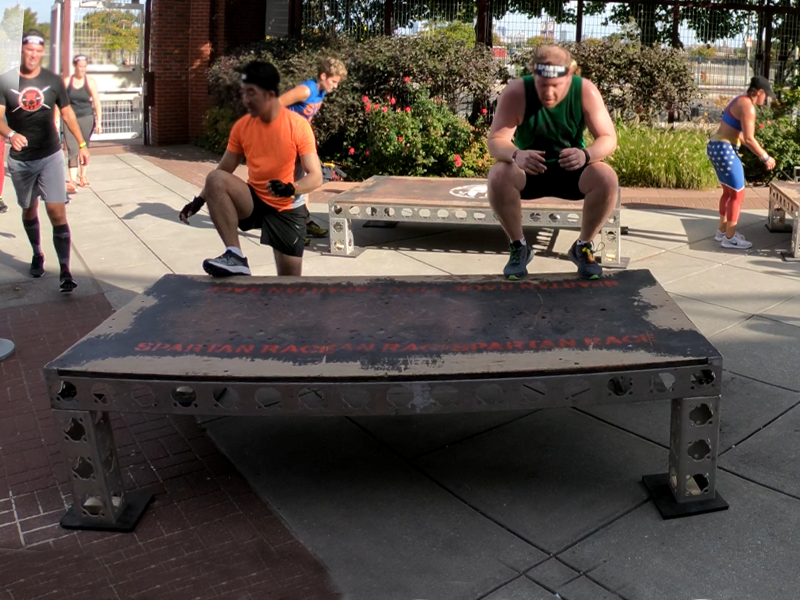
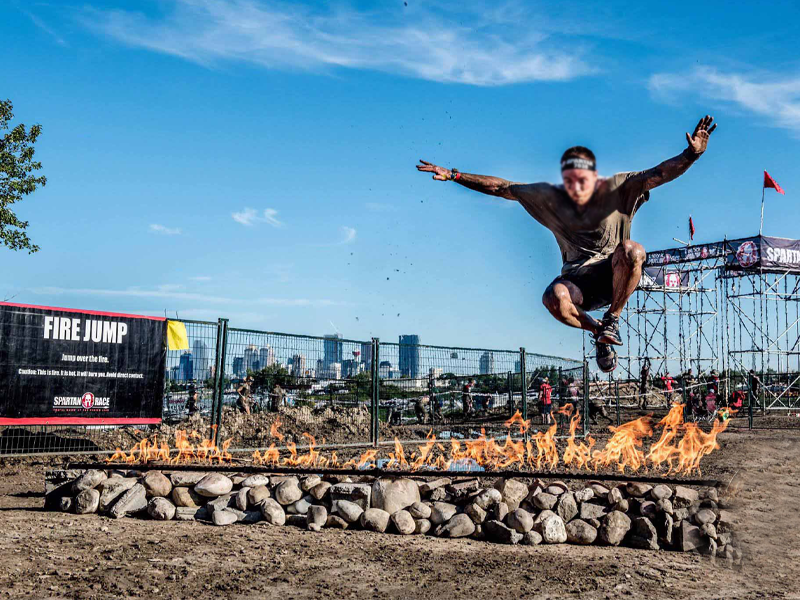
Quality control (QC) is integrated into every stage of manufacturing, not just at the end. Each component is inspected upon arrival, during production, and after assembly. The QC team conducts a battery of tests, including load-bearing tests (to ensure the obstacle can support multiple athletes), impact tests (to simulate falls and collisions), and safety tests (to check for sharp edges, loose parts, or slip hazards). Obstacle Formula’s commitment to quality is reflected in its zero-defect goal—an ambition that has earned it the trust of major clients like Spartan Race, which relies on the company’s equipment for events with thousands of participants.
The company’s manufacturing capabilities are scaled to meet global demand, with the capacity to produce over 300 unique obstacles annually. Its factory is equipped with automated production lines that streamline processes while maintaining precision, and the team works around the clock to fulfill orders for events worldwide. Whether supplying a single custom obstacle for a backyard or 50 full sets for a global race series, Obstacle Formula’s manufacturing process ensures consistency in quality, performance, and safety.
In the end, manufacturing excellence at Obstacle Formula is about more than building durable obstacles—it’s about building trust. Event organizers need to know that their equipment will perform flawlessly, athletes need to know that it will keep them safe, and spectators need to know that it will deliver thrilling, memorable moments. By combining premium materials, precision engineering, and rigorous quality control, Obstacle Formula has set the standard for manufacturing in the OCR industry—proving that when it comes to obstacle production, excellence is in the details.