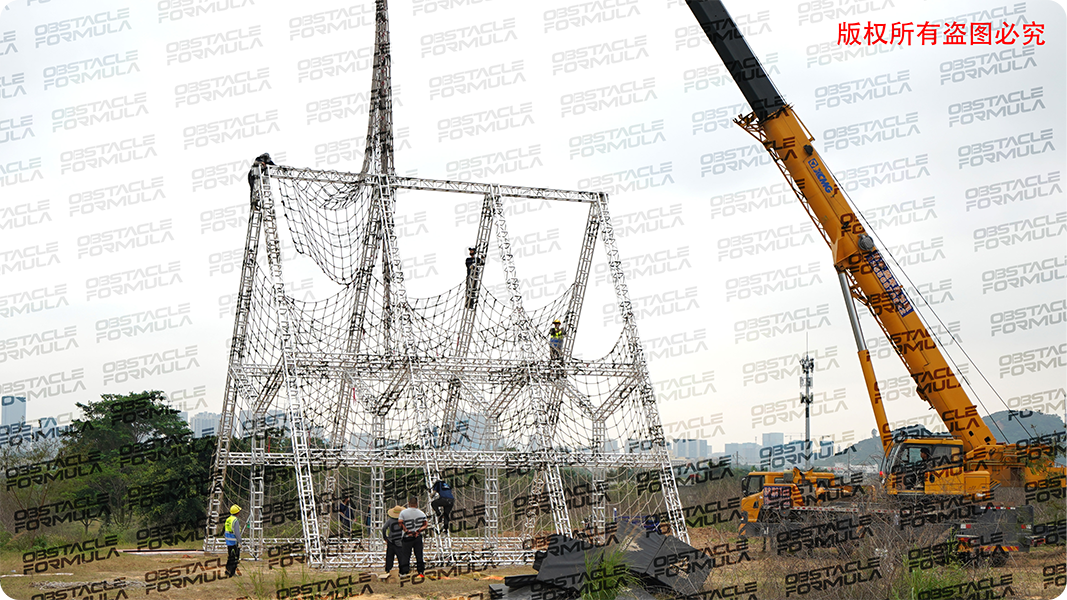
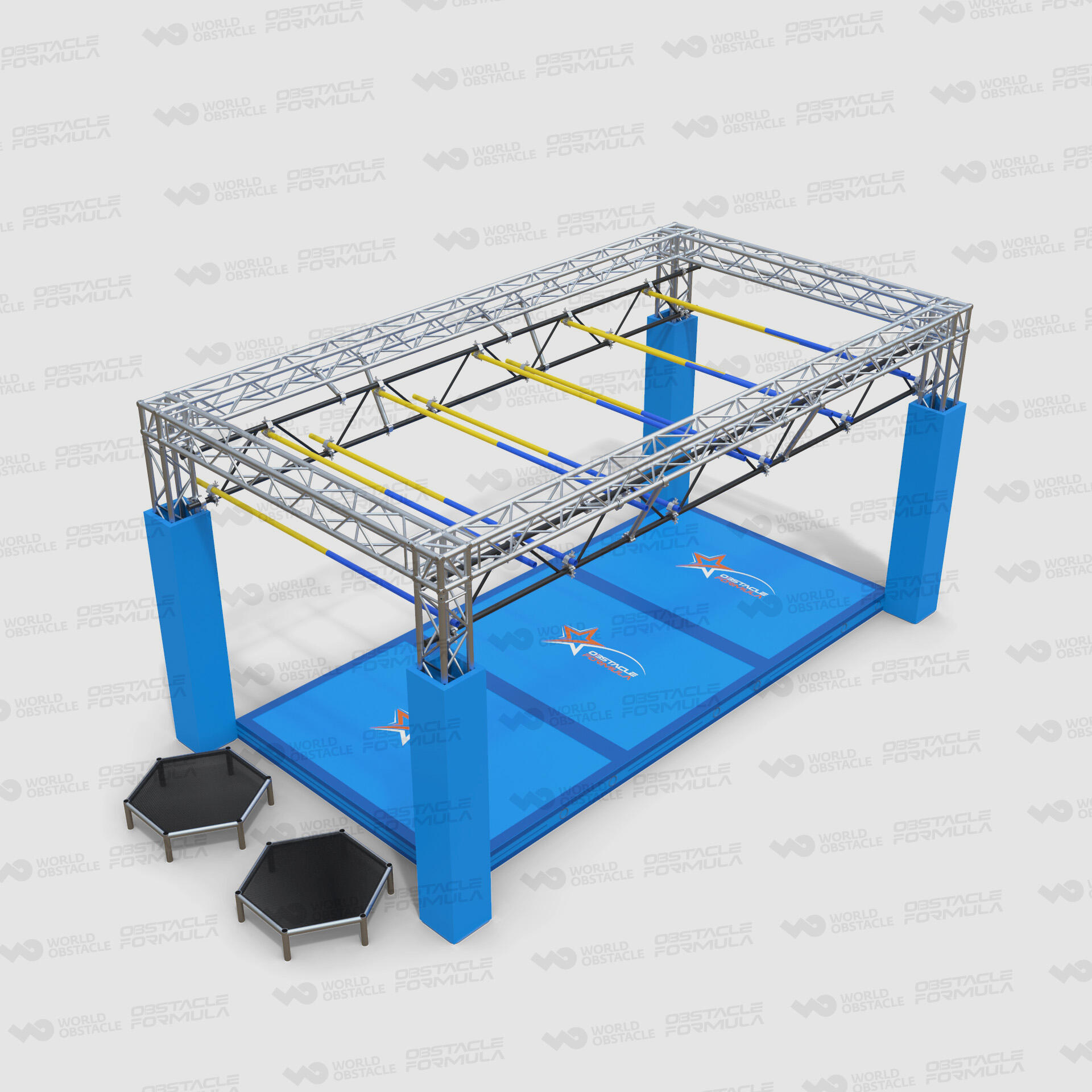
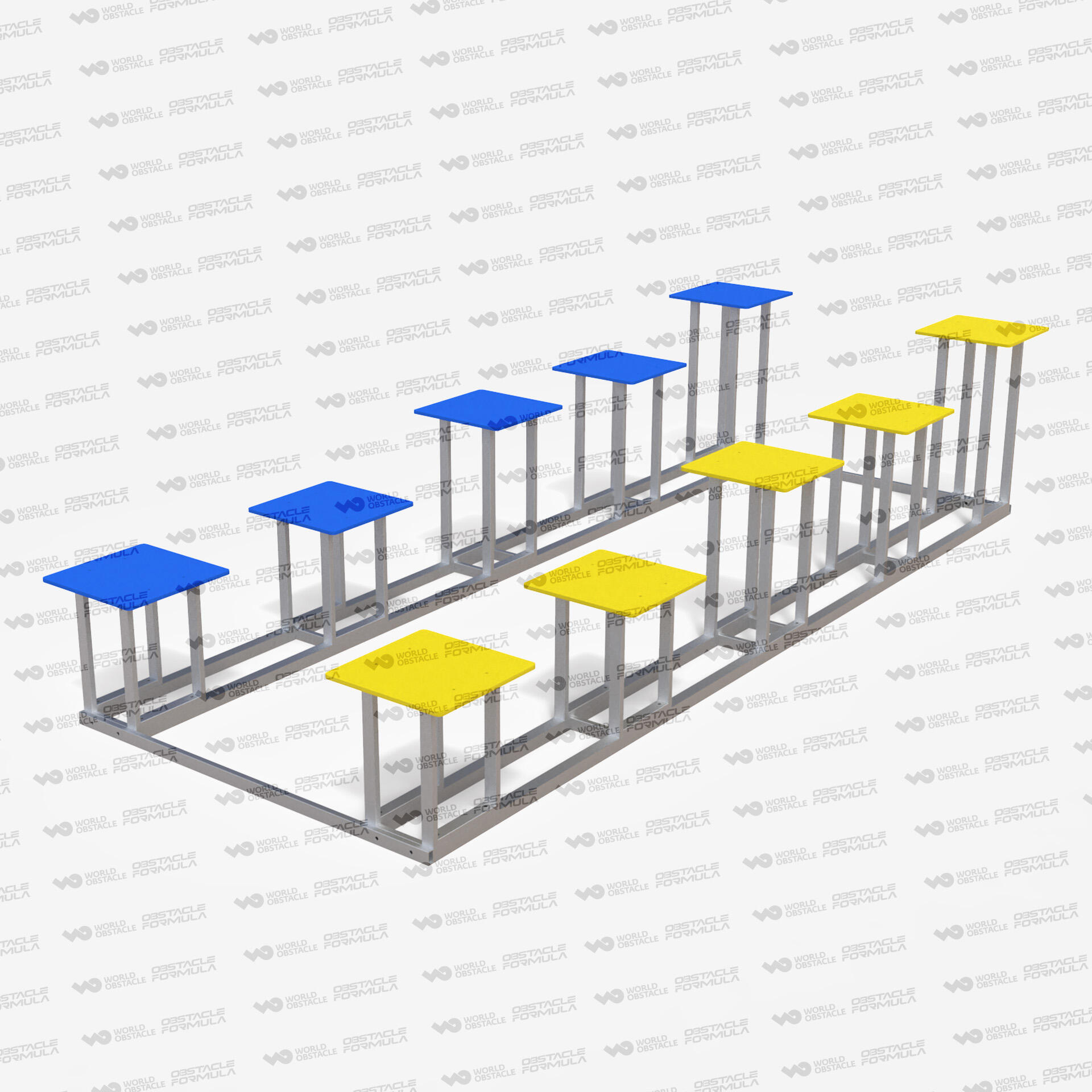
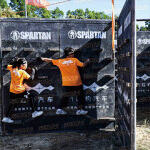
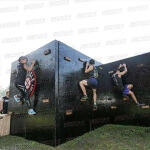
Obstacle course racing is a sport of extremes. Athletes subject obstacles to intense physical stress—climbing, jumping, swinging, and slamming into surfaces—while outdoor events expose equipment to rain, snow, heat, and humidity. To thrive in this harsh environment, obstacles must be built with materials that balance strength, durability, safety, and performance. At Obstacle Formula, material science is a core competency: the company’s engineering team spends countless hours researching, testing, and selecting materials that meet the unique demands of OCR and related disciplines.
The foundation of Obstacle Formula’s material selection is a focus on longevity. Unlike consumer-grade fitness equipment, which may be replaced every few years, OCR obstacles need to withstand hundreds—if not thousands—of uses per event, year after year. This requires materials that resist wear, corrosion, and fatigue. For structural components like frames, supports, and load-bearing bars, the company uses high-strength carbon steel and alloy steel. These materials offer exceptional tensile strength (the ability to resist breaking under tension) and yield strength (the ability to resist permanent deformation), making them ideal for obstacles like walls, ladders, and monkey bars.
Corrosion resistance is another critical factor, especially for outdoor obstacles. Obstacle Formula uses a range of corrosion-resistant materials and treatments to ensure equipment lasts in diverse climates. For example, exposed components are often made from 304 or 316 stainless steel—grades known for their resistance to rust, oxidation, and chemical damage. 316 stainless steel, in particular, is used for obstacles in coastal regions or areas with high humidity, as it contains molybdenum, which enhances resistance to saltwater and harsh environmental conditions. For carbon steel components, the company applies hot-dip galvanization—a process where the steel is dipped in molten zinc, creating a thick, protective coating that prevents rust for decades.
Safety is non-negotiable, and material selection plays a key role in protecting athletes. Non-slip surfaces are essential for obstacles like climbing walls, ramps, and balance beams. Obstacle Formula uses a variety of slip-resistant materials, including textured steel plates, rubberized coatings, and grip-enhancing paints. These materials are tested under wet and dry conditions to ensure they provide consistent traction, reducing the risk of falls. For impact zones—areas where athletes may collide with the obstacle—the company uses shock-absorbing materials like high-density foam or rubber padding, which cushion impacts without compromising structural integrity.
Weight is another consideration, especially for modular or portable obstacles. Event organizers often need to transport and set up obstacles quickly, so materials must be strong yet lightweight. Obstacle Formula achieves this balance by using high-strength, low-weight alloys and optimizing component design. For example, the company’s ninja warrior obstacles use hollow steel tubes instead of solid bars—reducing weight by up to 40% while maintaining the same strength. This makes the obstacles easier to handle without sacrificing performance.
Sustainability is an increasingly important factor in material selection. Obstacle Formula is committed to reducing its environmental impact by using recyclable materials, eco-friendly coatings, and efficient production processes. Most of the company’s steel components are made from recycled steel, which reduces energy consumption and greenhouse gas emissions compared to virgin steel. The company also uses powder coatings that are free of volatile organic compounds (VOCs), making them safer for workers and the environment. Additionally, the durability of Obstacle Formula’s obstacles means less frequent replacement, reducing waste in the long run.
Material testing is a rigorous process at Obstacle Formula. The company’s R&D team conducts extensive laboratory and field tests to evaluate the performance of new materials under real-world conditions. For example, steel components are subjected to fatigue testing—repeated loading and unloading—to simulate years of use and ensure they don’t fail prematurely. Corrosion tests expose materials to salt spray, humidity, and extreme temperatures to measure their resistance to environmental damage. Slip tests measure the coefficient of friction of surface materials under various conditions, ensuring they meet safety standards set by World Obstacle and UIPM.
The results of these tests are evident in the company’s track record. Obstacles supplied to Spartan Race over a decade ago are still in use today, a testament to the durability of the materials used. The SP-450 anti-clog sprayers (a metaphor for material resilience) used in Southeast Asian resorts have withstood hard water conditions for years, reducing maintenance costs by 60%. For event organizers, this durability translates to lower long-term costs—fewer replacements, less maintenance, and less downtime.
Obstacle Formula’s material science expertise also allows it to innovate. The company’s proprietary obstacles, like the Cyclone Wheels and Dare Wall, incorporate advanced materials that enhance performance. For example, the Cyclone Wheels use a composite material for the wheel hubs that is both lightweight and impact-resistant, allowing for smooth rotation while withstanding athlete collisions. The Gold Victory obstacle features a honeycomb aluminum core that reduces weight without compromising strength, making it easier to transport and set up.
In the competitive world of OCR, materials make all the difference. Obstacle Formula’s commitment to material science—combining strength, durability, safety, and sustainability—has set it apart as a leader in the industry. By choosing the right materials for the job, the company ensures that its obstacles not only perform flawlessly but also stand the test of time, providing value to clients and safety to athletes for years to come.