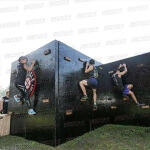
Obstacle course racing is an exhilarating sport, but it’s also inherently risky. Athletes push their bodies to the limit, navigating obstacles that require climbing, jumping, swinging, and balancing—all while moving at high speeds. For event organizers and equipment suppliers, safety is the top priority: a single safety incident can have serious consequences for athletes, spectators, and the reputation of the sport. At Obstacle Formula, safety is not just a buzzword—it’s a core value that drives every decision, from design and manufacturing to testing and maintenance. The company’s commitment to safety is reflected in its rigorous standards, which exceed global requirements and ensure that every obstacle is as safe as it is challenging.
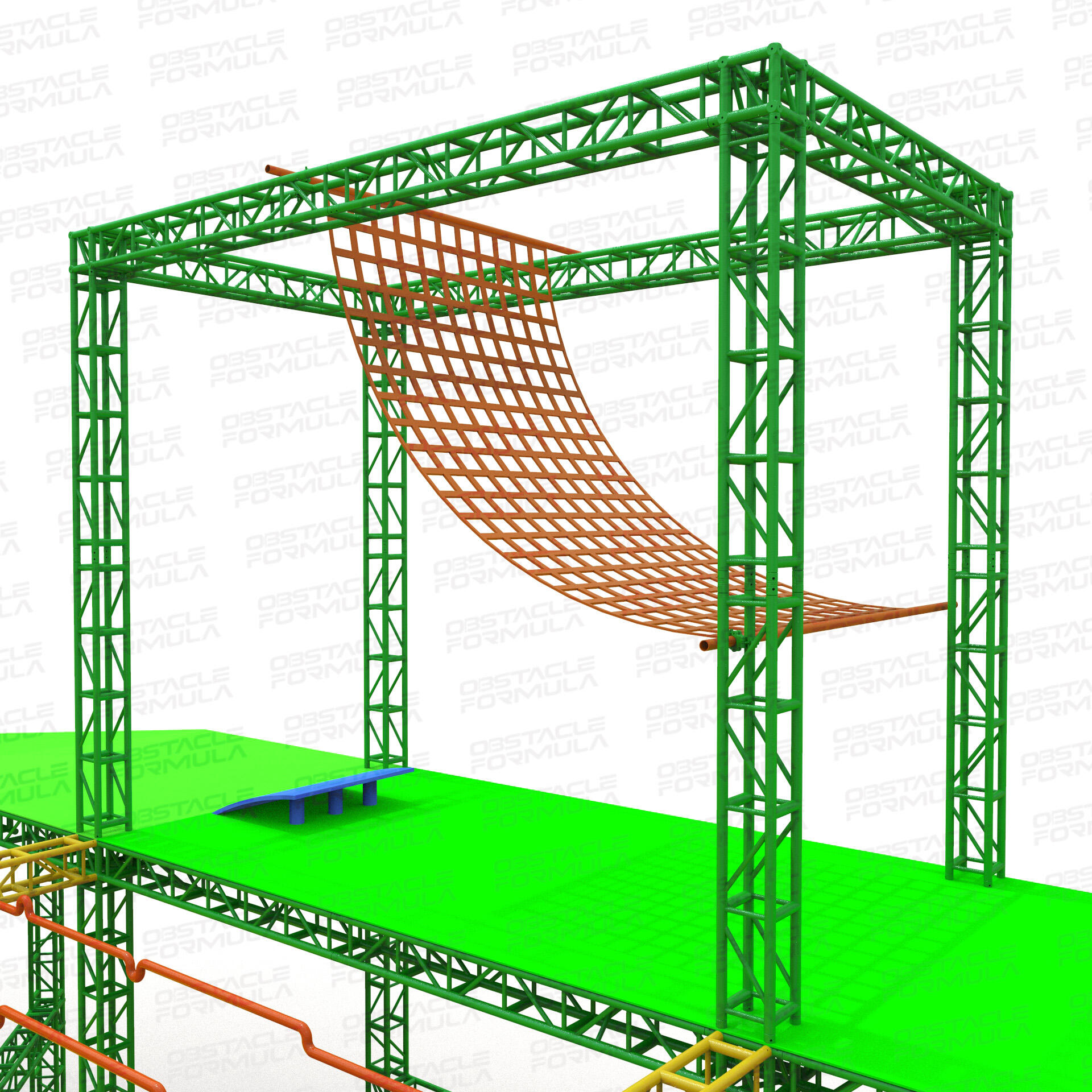
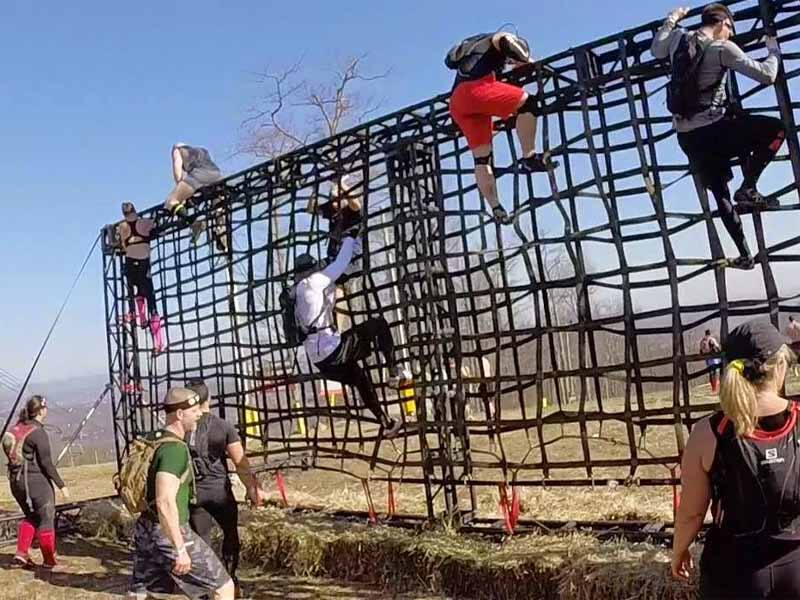
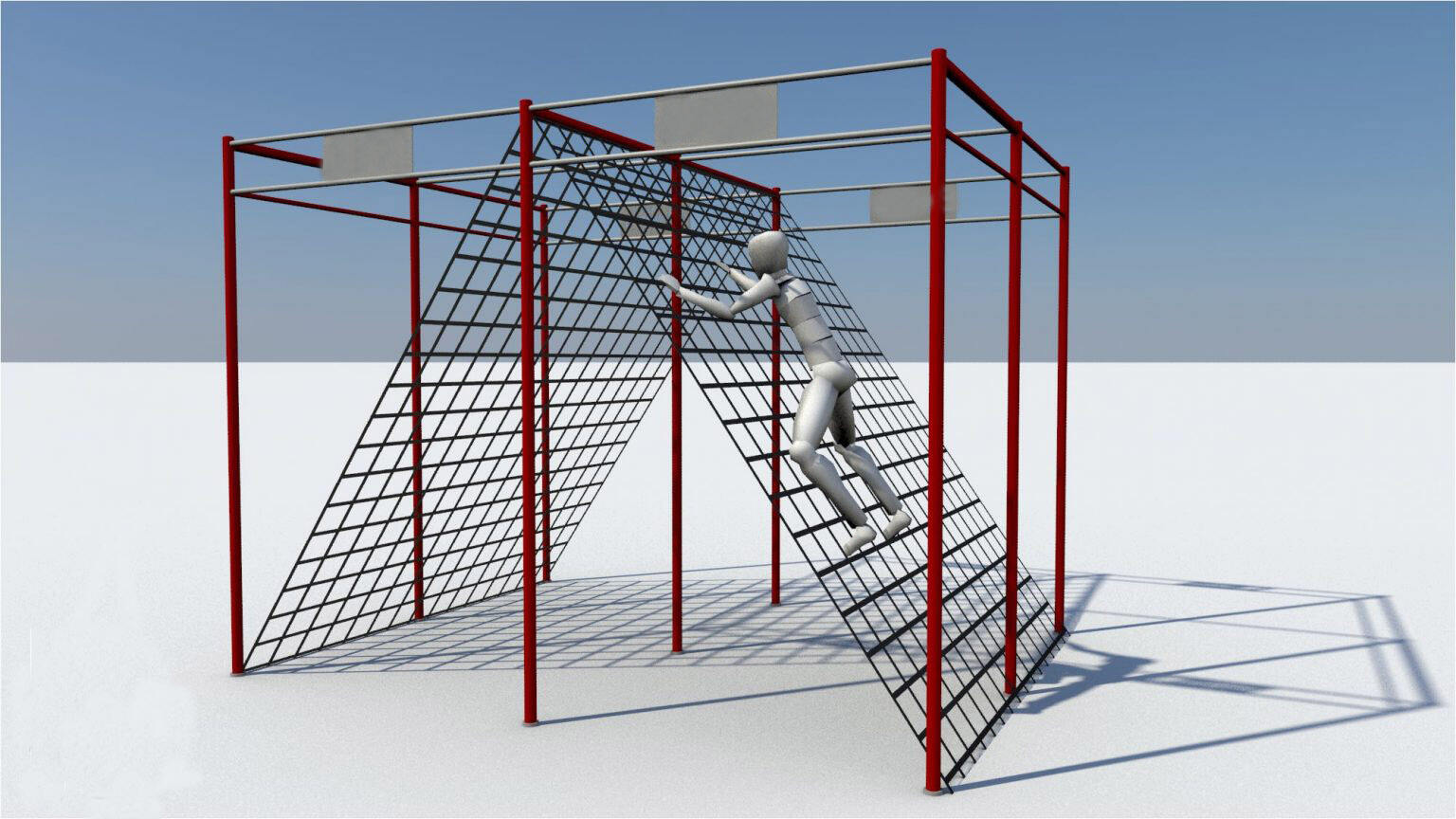
Obstacle Formula’s safety standards begin with design. The company’s design team uses a risk-based approach, identifying potential hazards early in the design process and implementing measures to mitigate them. For example, when designing a climbing wall, the team considers factors like height, surface grip, landing zones, and fall distances. The wall is engineered to have a non-slip surface that provides consistent traction, even when wet, and the landing zone is equipped with shock-absorbing padding that reduces the risk of injury if an athlete falls. The team also uses computer-aided design (CAD) software to simulate athlete movements, ensuring that the obstacle is ergonomically designed to reduce strain on joints and muscles.
Compliance with global safety standards is a non-negotiable part of Obstacle Formula’s process. The company’s equipment meets or exceeds standards set by leading governing bodies, including World Obstacle, UIPM, and the International Organization for Standardization (ISO). For example, World Obstacle’s OCR safety standards require obstacles to undergo load-bearing tests, impact tests, and slip tests, and Obstacle Formula’s equipment passes all of these with flying colors. The company’s OCR100 courses, which are exclusive to World Obstacle-sanctioned events, are regularly inspected and certified to ensure compliance with the latest safety requirements.
Testing is a critical part of Obstacle Formula’s safety process. Every obstacle undergoes a battery of tests before it leaves the factory, including:
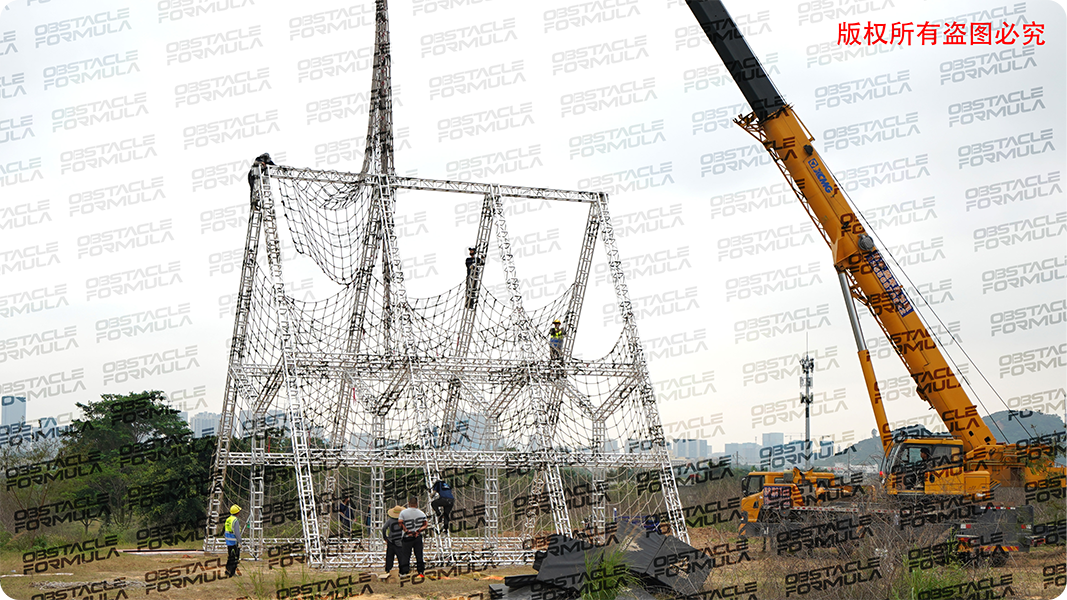
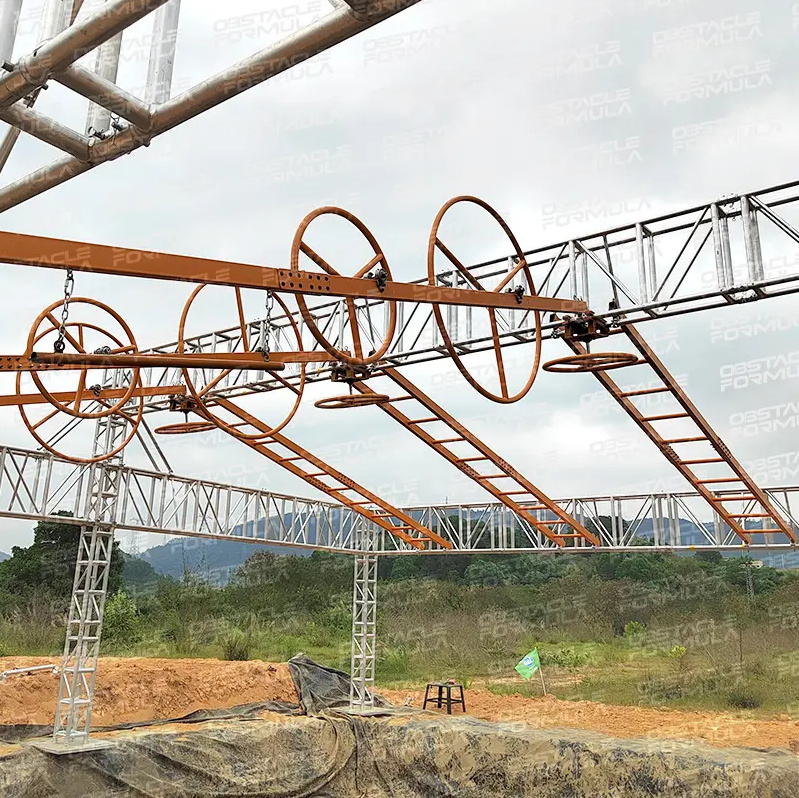
These tests are conducted by a dedicated quality control team, and only obstacles that pass all tests are shipped to clients. The company also conducts field tests, installing prototypes at events and gathering feedback from athletes and event organizers to identify potential safety issues. For example, during a field test of the Cyclone Wheels, athletes reported that the wheel rotation was too fast, increasing the risk of falls. The design team adjusted the resistance, slowing the rotation and making the obstacle safer without reducing its challenge.
Manufacturing processes also play a key role in safety. Obstacle Formula uses only high-quality materials that are known for their strength and durability, and every component is inspected for defects before assembly. Welds are double-checked to ensure they are strong and free of flaws, and fasteners are tightened to exact torque specifications to prevent loosening during use. The company’s factory is ISO-certified, ensuring that manufacturing processes are consistent and meet global quality standards.
Safety doesn’t end with the manufacture of the obstacle—training and education are also important. Obstacle Formula provides clients with detailed safety manuals that outline proper installation, maintenance, and use of the equipment. The company also offers training sessions for event staff, teaching them how to inspect obstacles for safety issues, set up landing zones correctly, and respond to emergencies. For example, a Spartan Race staff member might attend a training session to learn how to check the stability of a rope climb obstacle before each race.
Obstacle Formula’s commitment to safety has earned it the trust of athletes and event organizers worldwide. Ian Adamson, a respected OCR athlete and commentator, praises the company’s “unparalleled safety capabilities,” noting that its equipment is “designed with athlete protection in mind.” Athletes themselves appreciate the company’s attention to detail, with many stating that they feel safer competing on Obstacle Formula’s obstacles than on those from other suppliers.
In an industry where safety is paramount, Obstacle Formula’s rigorous standards set it apart. By prioritizing safety in every aspect of its business—design, manufacturing, testing, and education—the company is helping to make OCR a safer sport for everyone. For event organizers, this means peace of mind knowing that their equipment meets the highest safety standards. For athletes, it means being able to push their limits without compromising their well-being. And for the sport of OCR, it means continued growth and acceptance as a safe, legitimate form of fitness and competition.